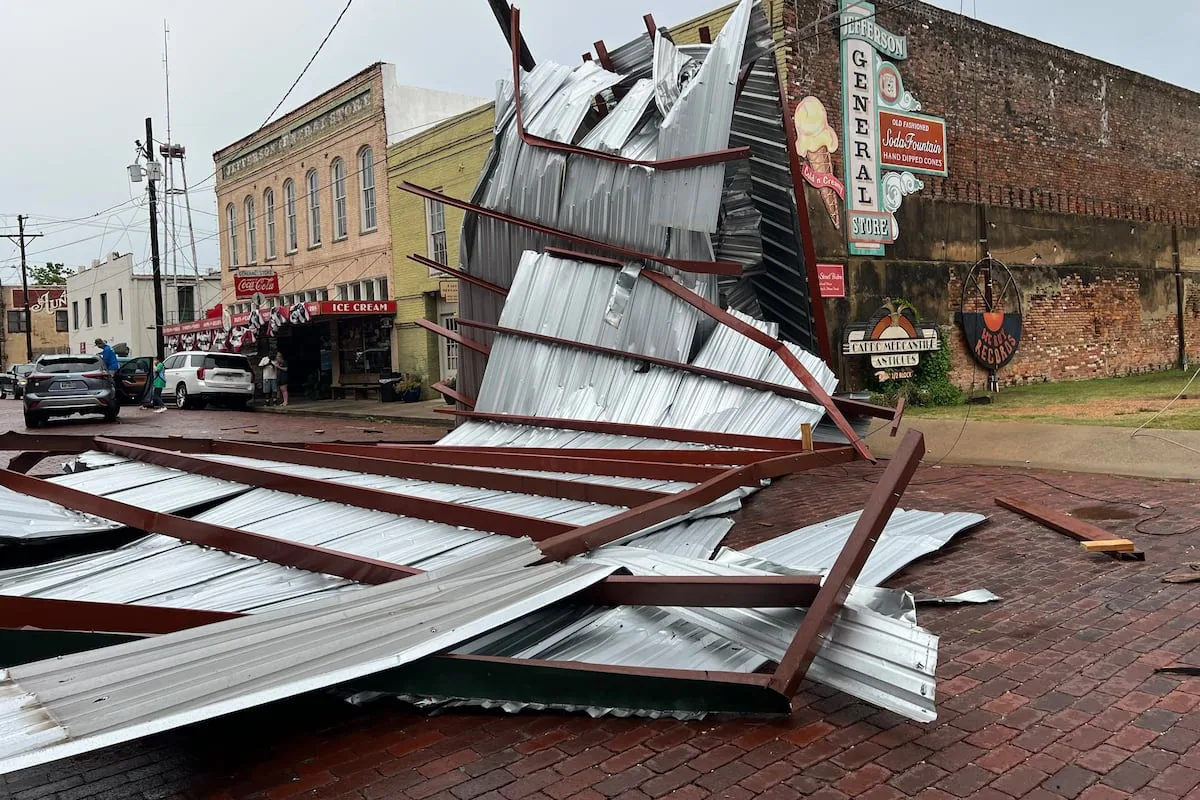
After a storm or leak, the first useful step is to record what the roof and interior show at the property. Pearland’s weather record includes golf-ball-size hail reported on November 2, 1995, a 7.64-inch rain measurement at a site 4.1 miles northeast during Hurricane Beryl, and an EF3 tornado start three miles north-northeast of the city in 2023. Those events help frame inspection priorities; they do not establish damage at an individual building.
We photograph observed openings, displaced material, drainage conditions, and interior water entry, then separate temporary protection from permanent repair. A facility on SH 288 or a research building in Lower Kirby may need different access and protection arrangements, but the repair decision still follows the condition found on that roof.

Inspect wind-lifted edges, panels, and flashing on Pearland commercial roofs, then plan safe stabilization and repair around occupied operations.
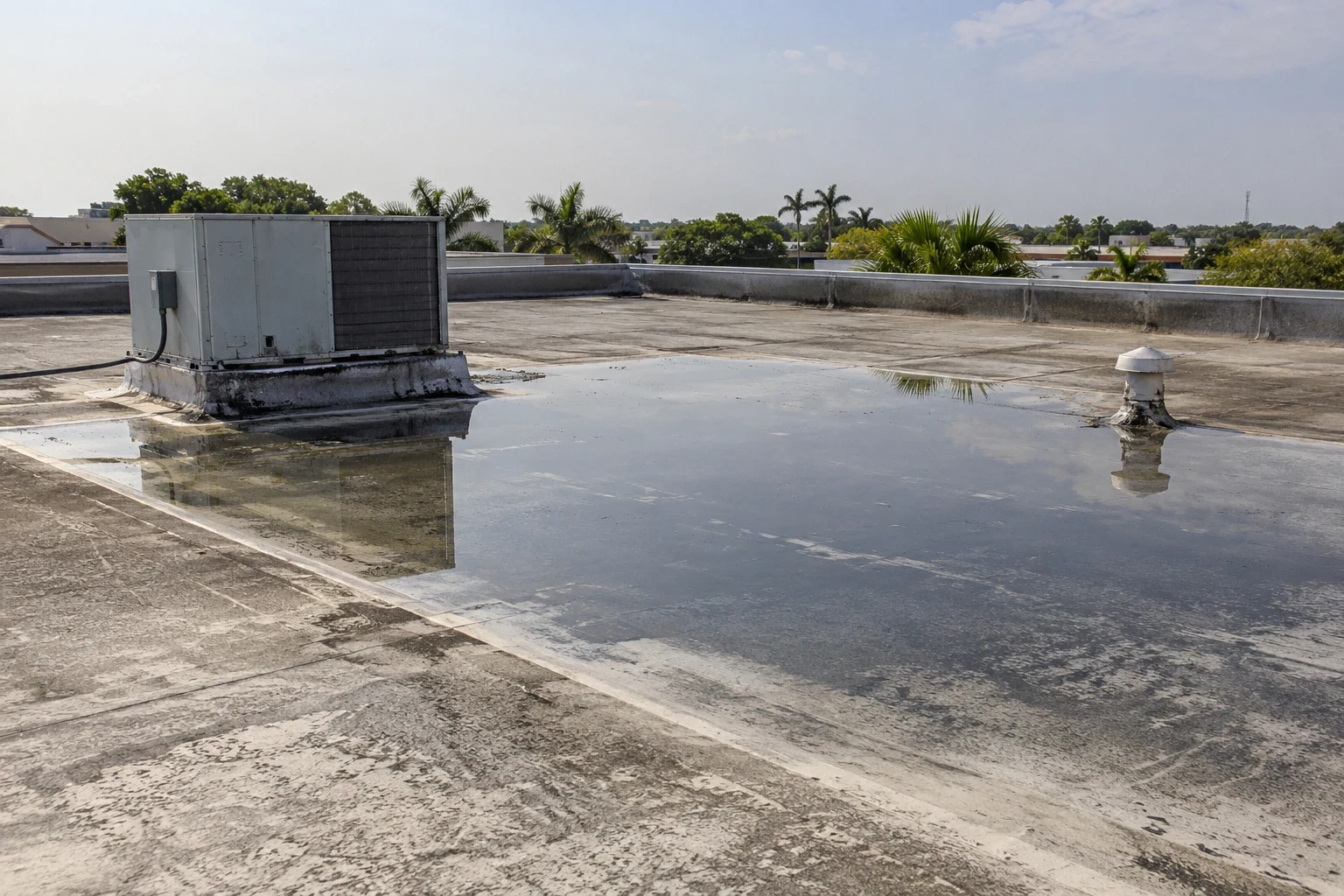
Trace ponding on Pearland commercial roofs to drains, slope, and roof condition, then compare practical repair options for the building in service.
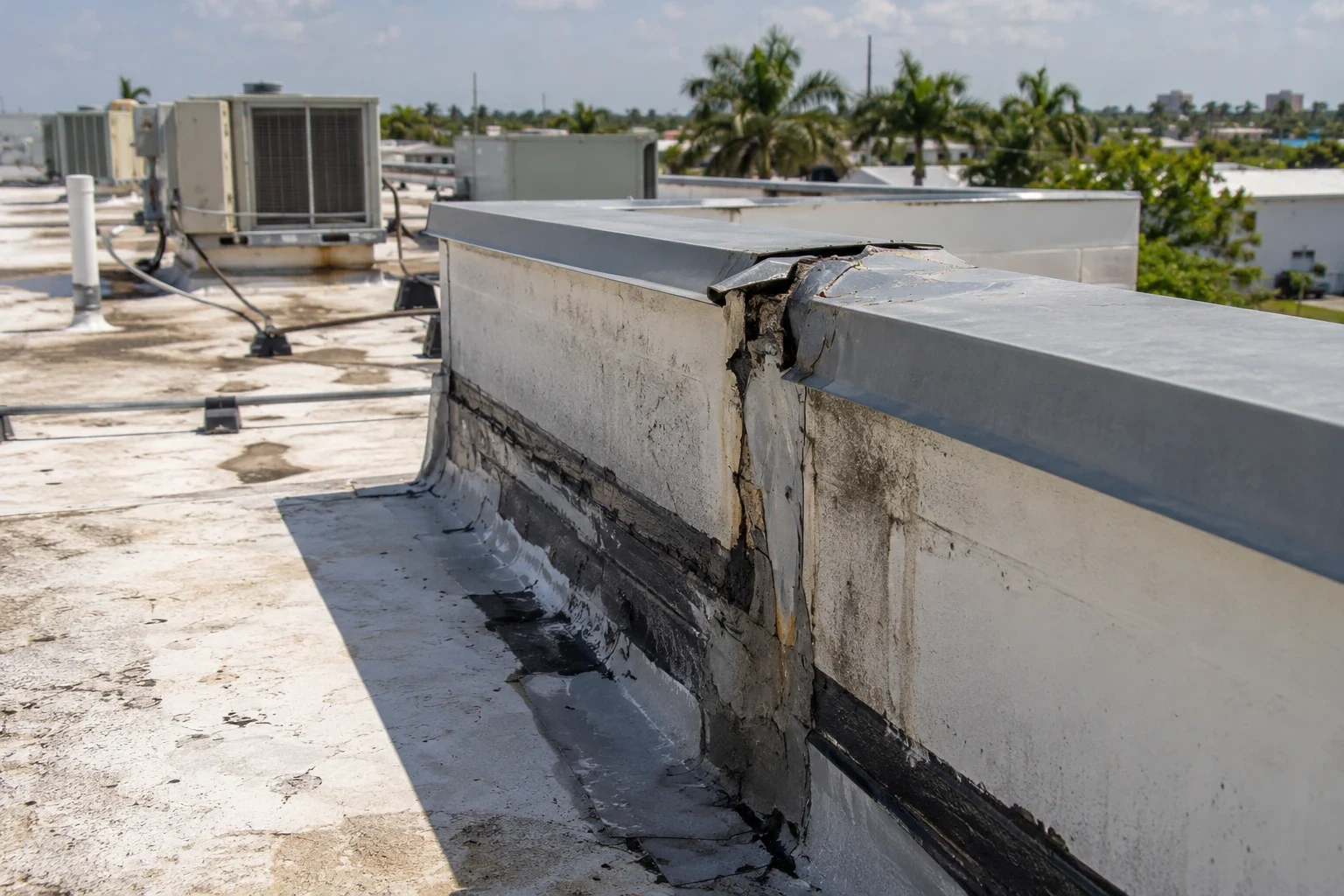
Repair failed commercial roof flashing in Pearland by tracing water at curbs, walls, and penetrations and planning safe access around the building.
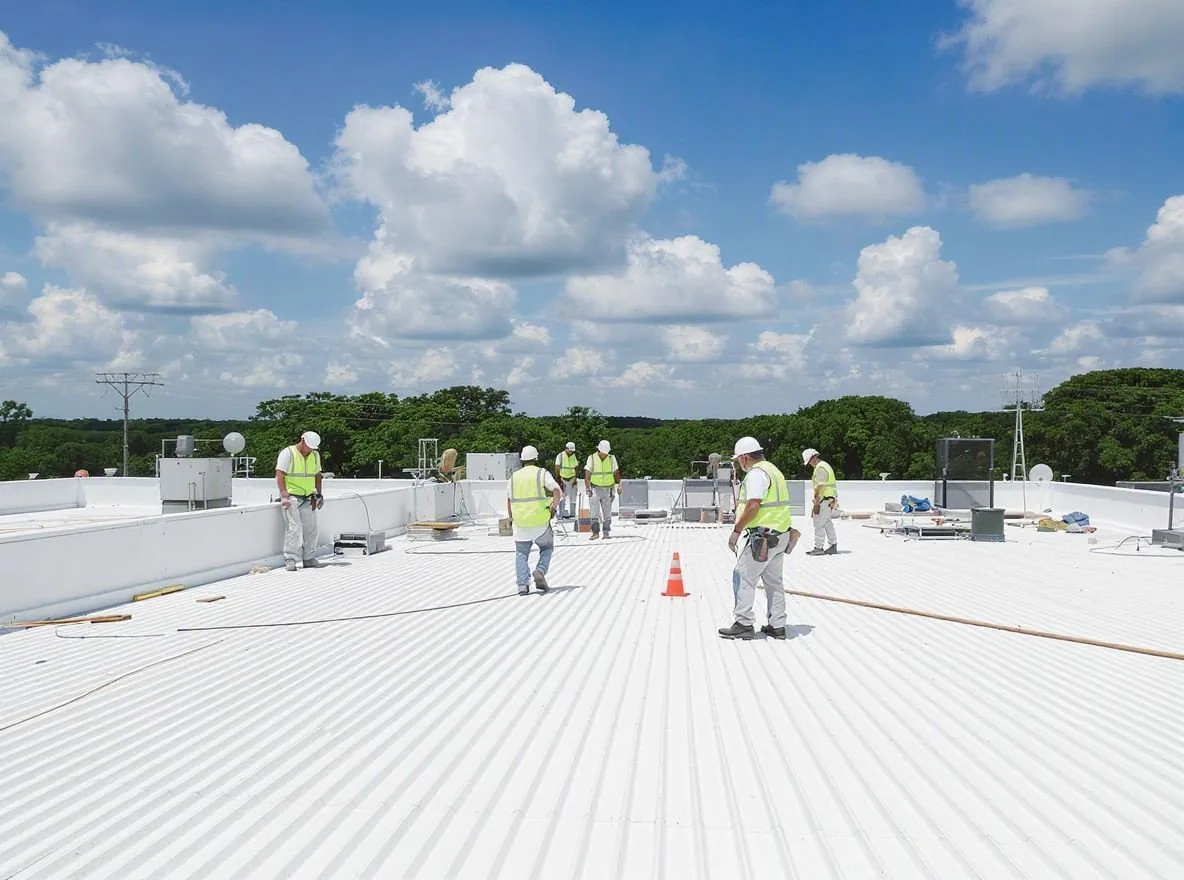
Find and repair split or open commercial roof seams in Pearland with inspection by roof section, compatible materials, and a documented closeout.
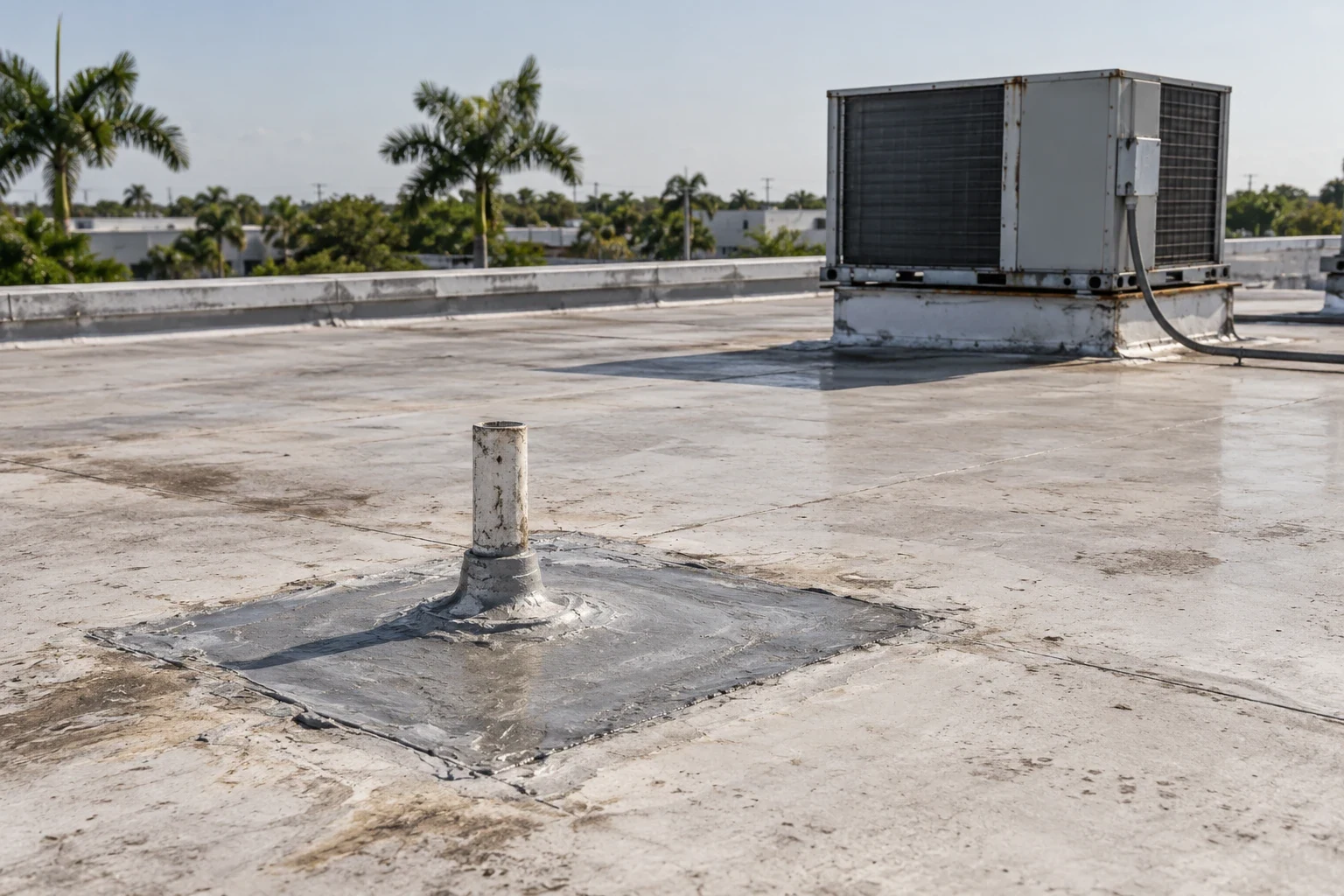
Locate and repair punctures on Pearland commercial roofs, protect equipment and inventory below, and document the compatible patch and follow-up.
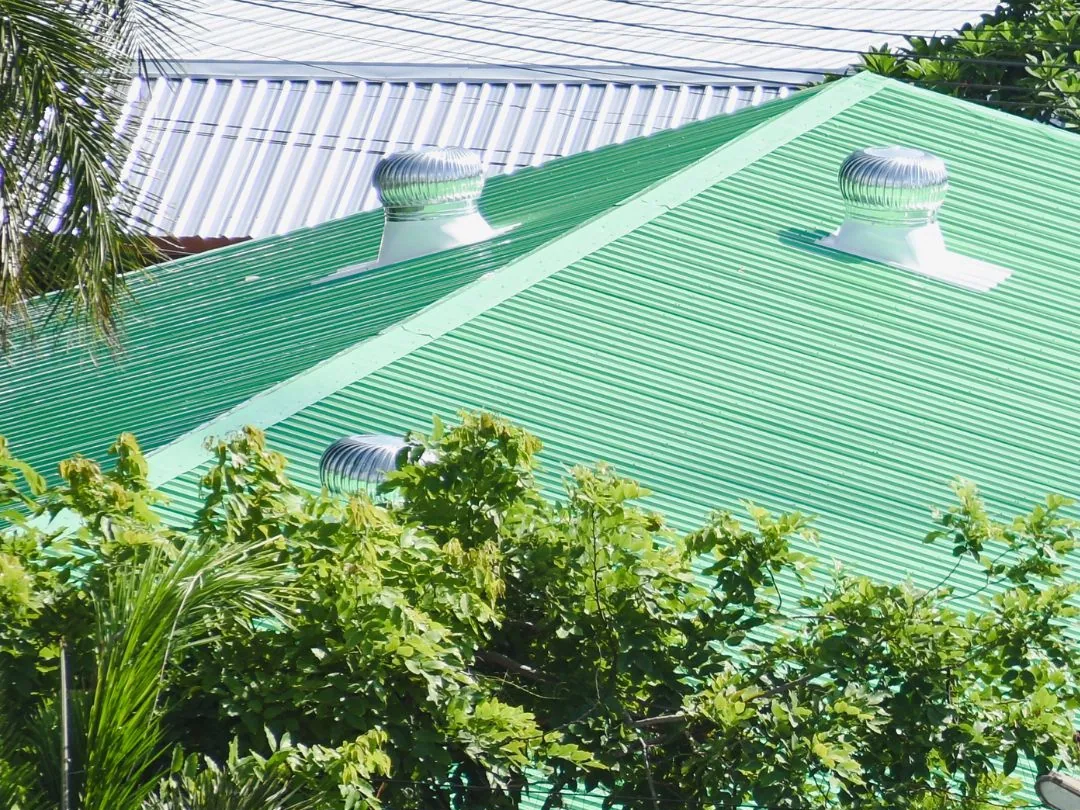
Assess fire and smoke effects on Pearland commercial roofs, document damaged assemblies, and plan safe stabilization and repair with facilities staff.
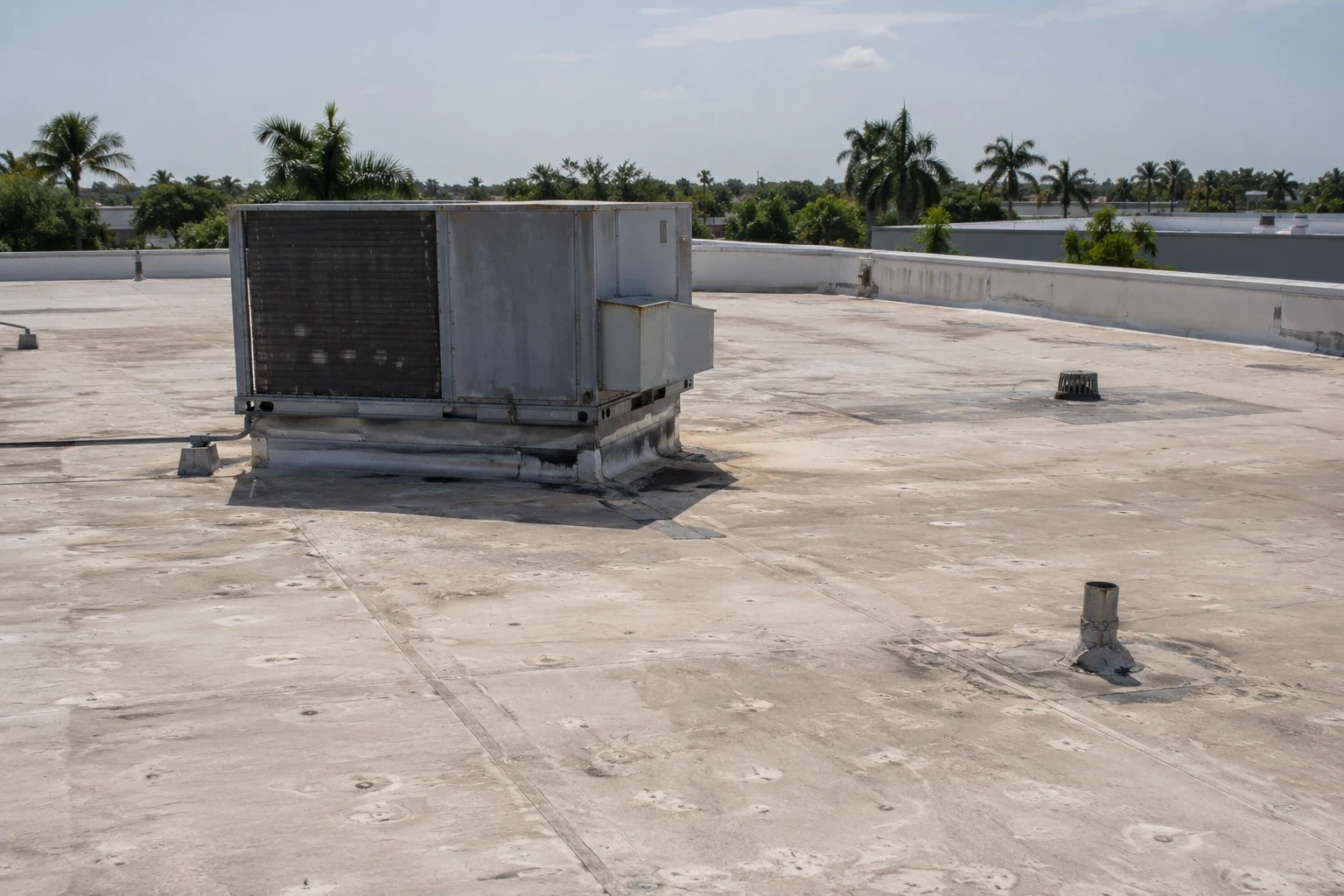
Assess hail damage on Pearland commercial roofs, distinguish impact marks from functional failure, and document repairs by roof section.
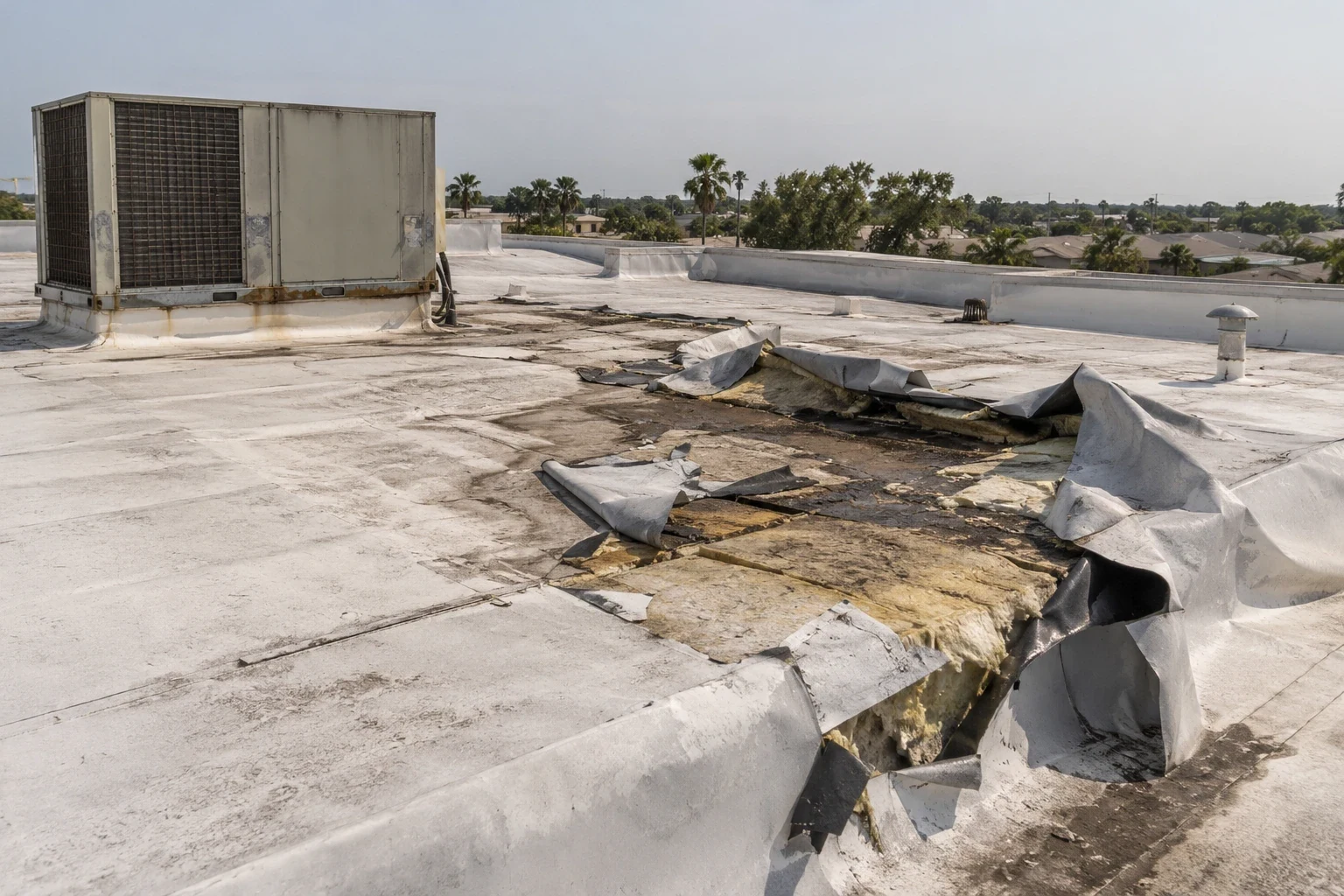
Coordinate hurricane roof repair in Pearland with safe access, temporary protection, a section-by-section inspection, and a documented permanent scope.
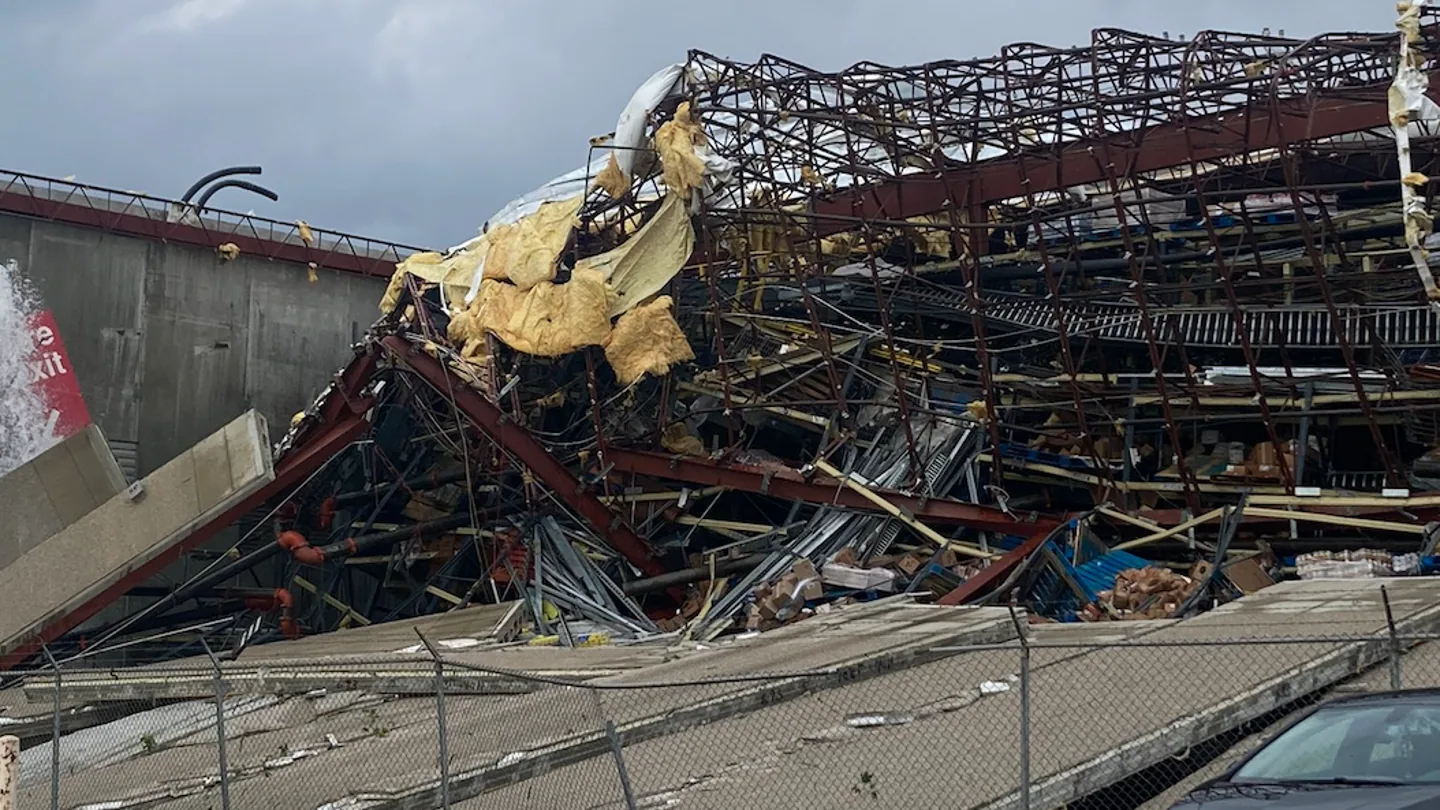
Inspect tornado-related roof damage in Pearland, stabilize openings, and define permanent repairs around safe access and building operations.
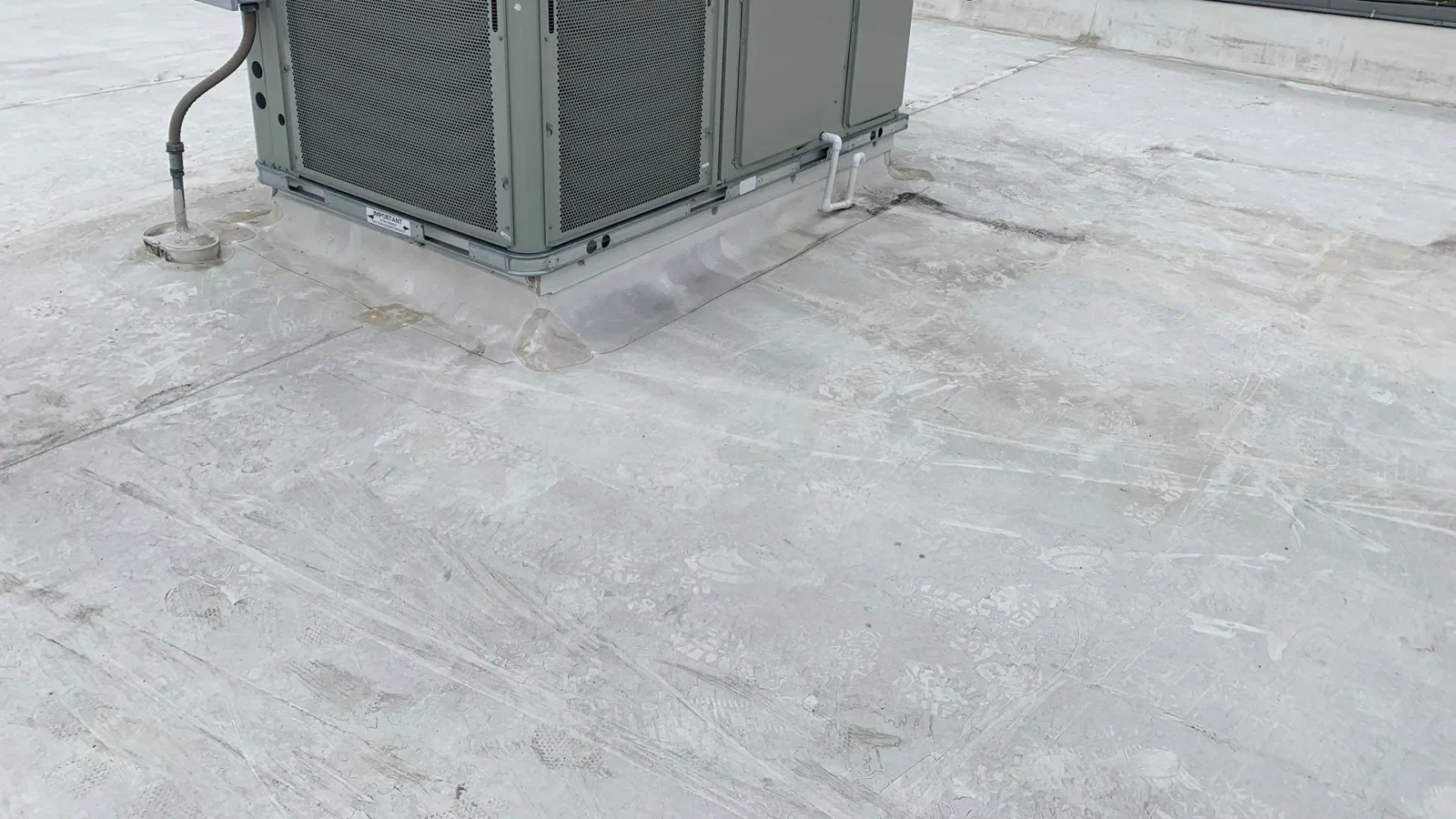
Identify heat and UV deterioration on Pearland commercial roofs, compare repair options, and protect occupied operations during restoration.
Look at perimeter edges, flashings, seams, penetrations, metal panels, rooftop equipment connections, and any area where material may have lifted or shifted. A wind-damage inspection records what has separated and what remains attached. A hail assessment documents impact evidence on the actual surface. After a named storm, a hurricane roof review should connect roof observations with reported interior conditions.
Do not treat a weather alert or rainfall measurement as a roof assessment. Mark the inspected roof sections, preserve close and context photos, and note any access limitation. If the interior is exposed, emergency protection can proceed within the facility’s safety controls while a permanent scope is developed.
Water may travel along seams, insulation, deck, or equipment curbs before it appears inside. Record the room, time, recent weather, and any nearby equipment work, then trace the likely route across the roof. A ponding-water review checks drainage and low areas; a flashing repair assessment inspects transitions where walls, curbs, and penetrations meet the field.
For membrane failures, seam inspection and puncture evaluation help distinguish a local defect from broader deterioration. We state what evidence supports a patch, what nearby material was reviewed, and whether moisture testing or an opening is needed before expanding the work area.
Share the address, current leak locations, access rules, and photos if available. We will confirm a safe inspection window and record observed damage and protection needs.
A useful repair record identifies the address, roof section, condition, temporary action, permanent work, materials used, and photographs before and after service. It should also show which area was inaccessible and who approved follow-up. When wind or tornado damage affects multiple details, keep each location distinct. Owners can then track whether water entry returned and what conditions changed after the repair.
A rapid roof response can address active exposure, while a permanent repair scope follows after the substrate and materials are ready. If a larger pattern appears, a condition inspection can document the rest of the roof. The result gives the property team a basis for maintenance, insurance documentation, or a broader renewal decision.
Mark the room, ceiling area, first observed time, and whether water appeared during rain or afterward. Note nearby plumbing, HVAC work, and any change in the stain. Those details help compare the interior symptom with drains, wall transitions, penetrations, and seams above without assuming the closest roof detail caused it.
Call 555-555-5555 or send the property address, roof area and what you are seeing inside. We will set up a roof walk.
It records weather conditions or reported impacts in the region. A roof inspection must document the physical condition at the building before repair needs are set.
No. Active entry can require safe temporary protection while we document conditions and plan the permanent repair.
Water can travel along roof layers or building cavities. We trace likely paths and compare roof observations with interior evidence.
Yes. We set access, protection, staging, and work phases with the facility contact, then account for weather holds.
Document roof damage in Pearland
Share the address, current leak locations, access rules, and photos if available. We will confirm a safe inspection window and record observed damage and protection needs.