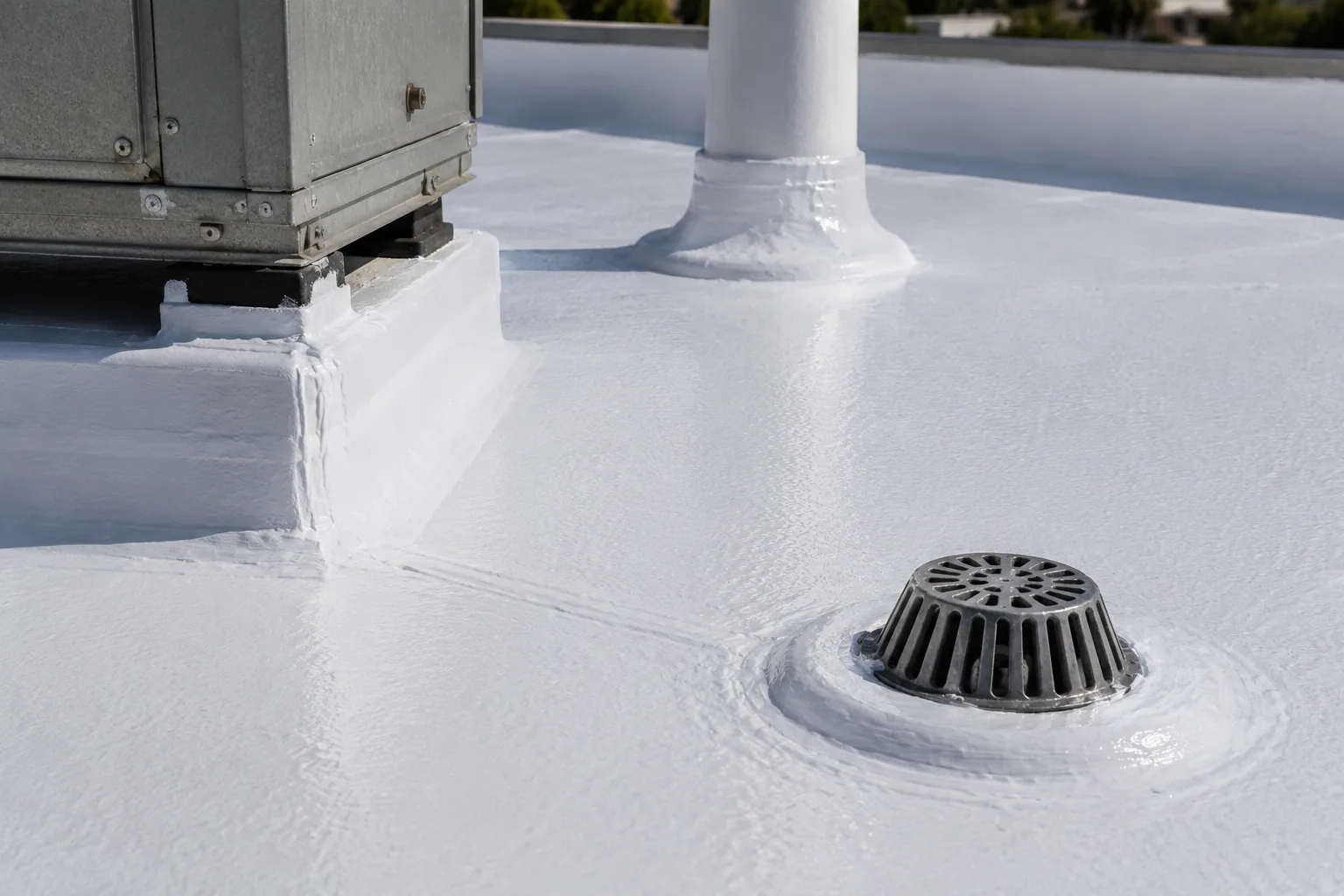
Roof Systems in Pearland, TX

Assessment has to account for deck, insulation, membrane, flashings, and drainage as one assembly. The deck, insulation, membrane or panels, seams, flashings, drains, edges, and rooftop equipment work together to keep water out and support building operations. In Pearland, hot summers and heavy rain make surface condition, drainage, and attachment important inspection questions. Those regional conditions inform maintenance, while material selection still begins with the existing roof and the building’s needs.

We identify the installed assembly where possible, document repairs and moisture concerns, and compare options against access, expected service objective, and maintenance requirements. A roof inspection gives the owner a basis for deciding whether to repair, restore, recover, or replace.

All Roof Systems

TPO Commercial Roofing in Pearland, TX

TPO Commercial Roofing

Plan TPO roofing in Pearland by reviewing seams, attachment, drainage, curbs, and occupied-site access before repair, recover, or replacement work.
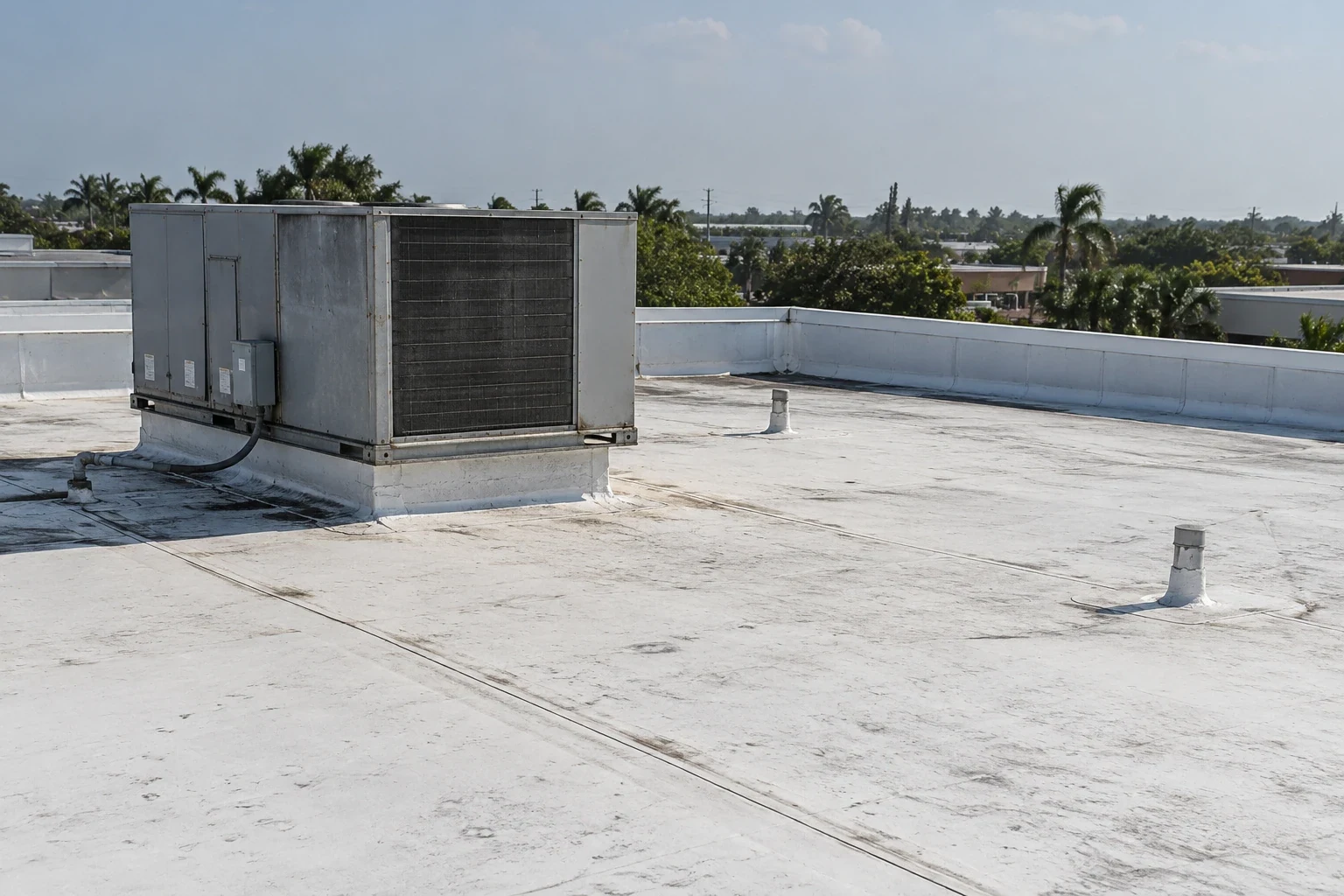
PVC Commercial Roofing in Pearland, TX

PVC Commercial Roofing

Review PVC roofing for Pearland facilities by checking seam welds, chemical exposure, drainage, transitions, and the operating window for roof work.
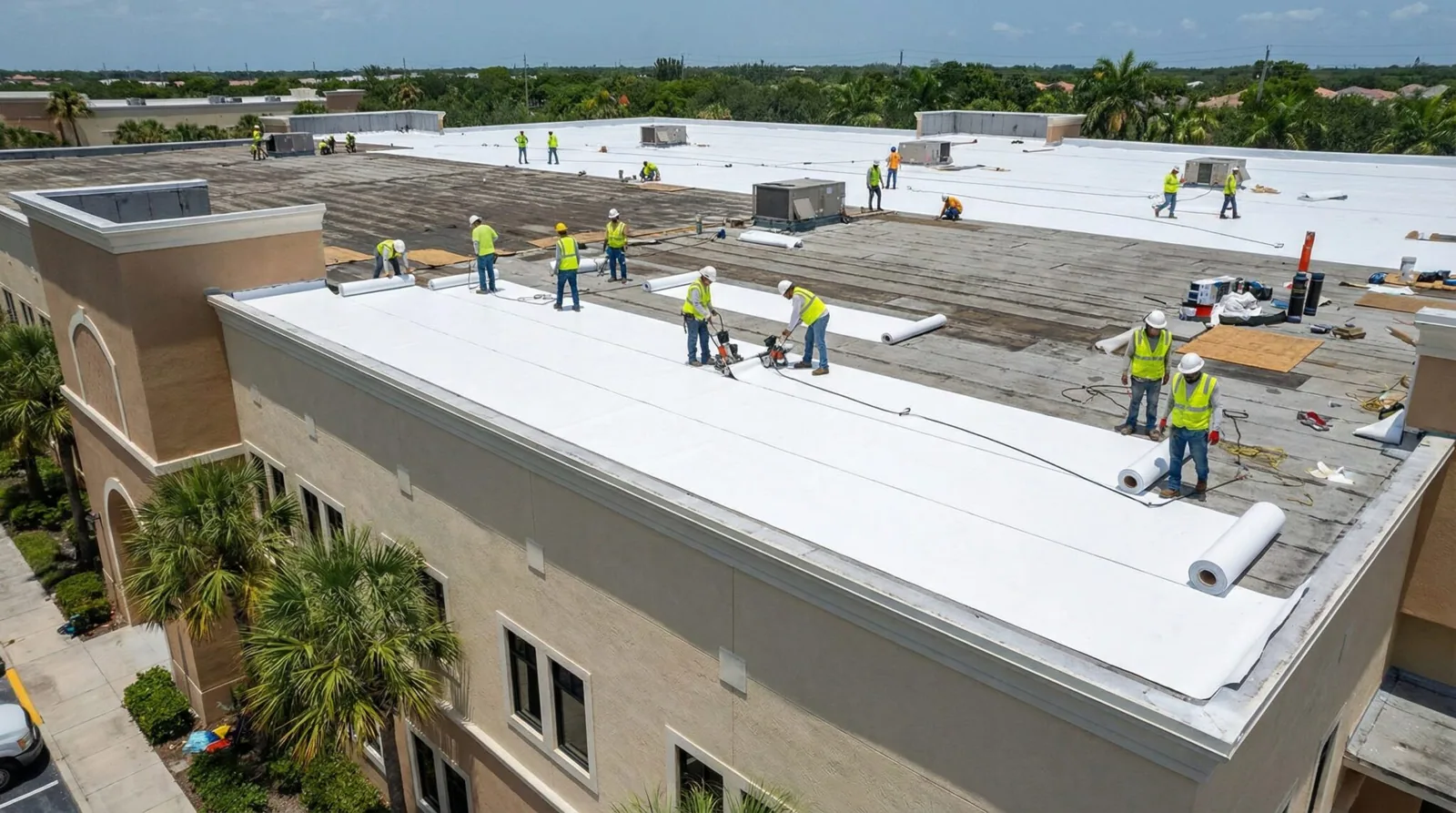
EPDM Commercial Roofing in Pearland, TX

EPDM Commercial Roofing

Inspect commercial EPDM roofing in Pearland for seam, flashing, attachment, and drainage conditions before selecting a repair or replacement scope.
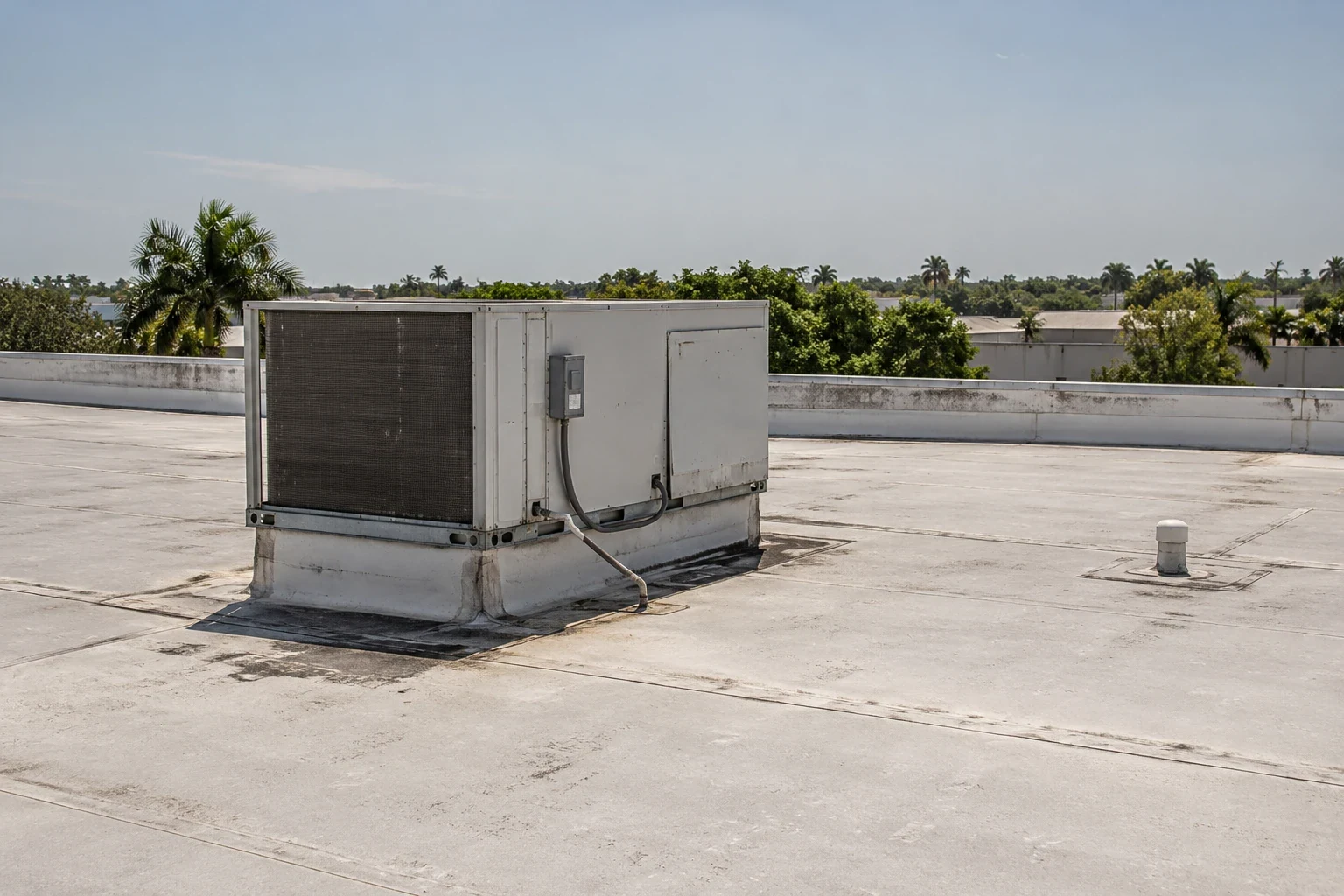
KEE Commercial Roofing in Pearland, TX

KEE Commercial Roofing

Evaluate KEE commercial roofing in Pearland by checking the membrane, heat-welded seams, rooftop exposure, drainage, and repair compatibility.
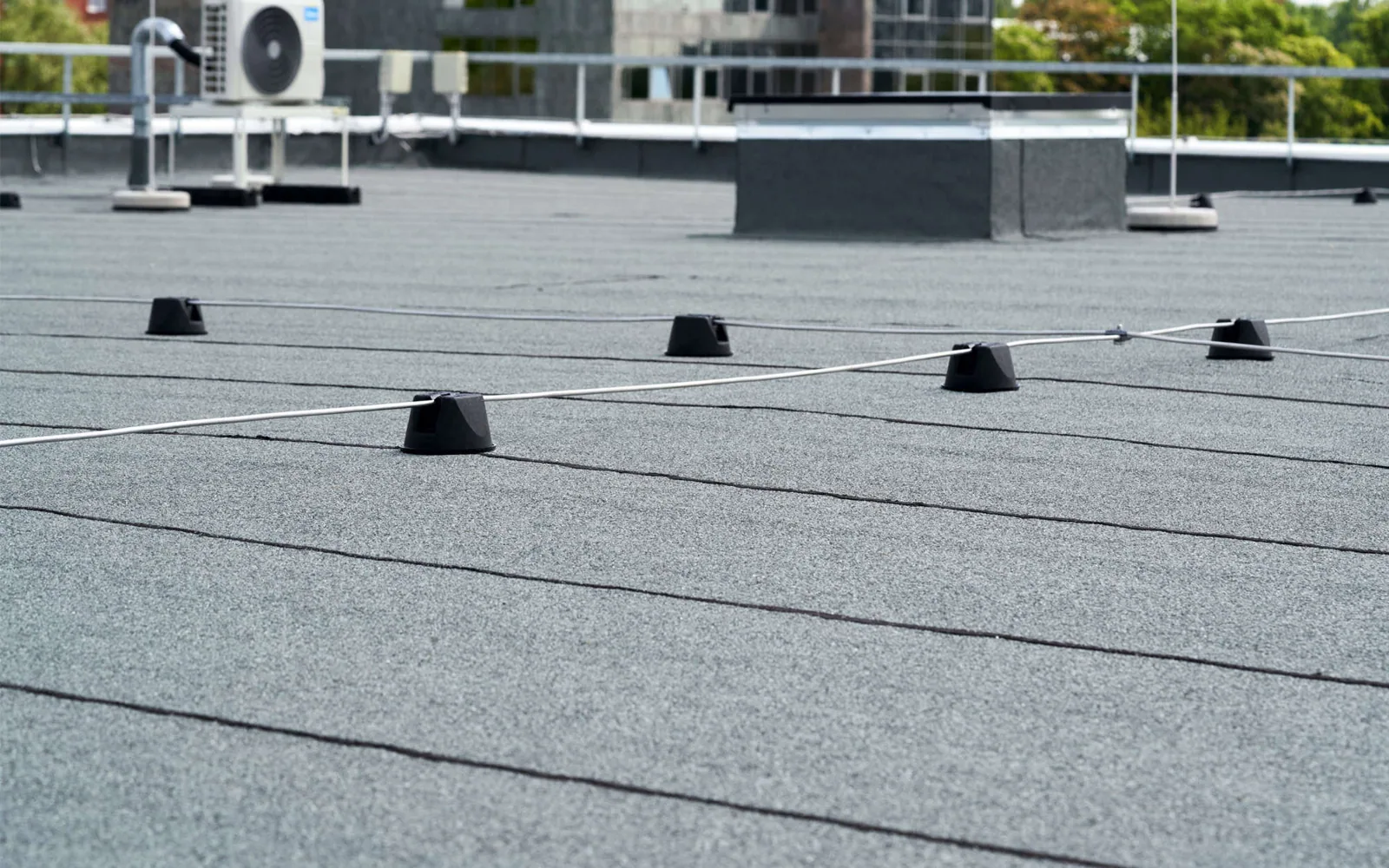
Modified Bitumen Roofing in Pearland, TX

Modified Bitumen Roofing

Review SBS and APP modified bitumen roofs in Pearland, from cap-sheet wear and flashing transitions to drainage, repairs, and occupied-site planning.
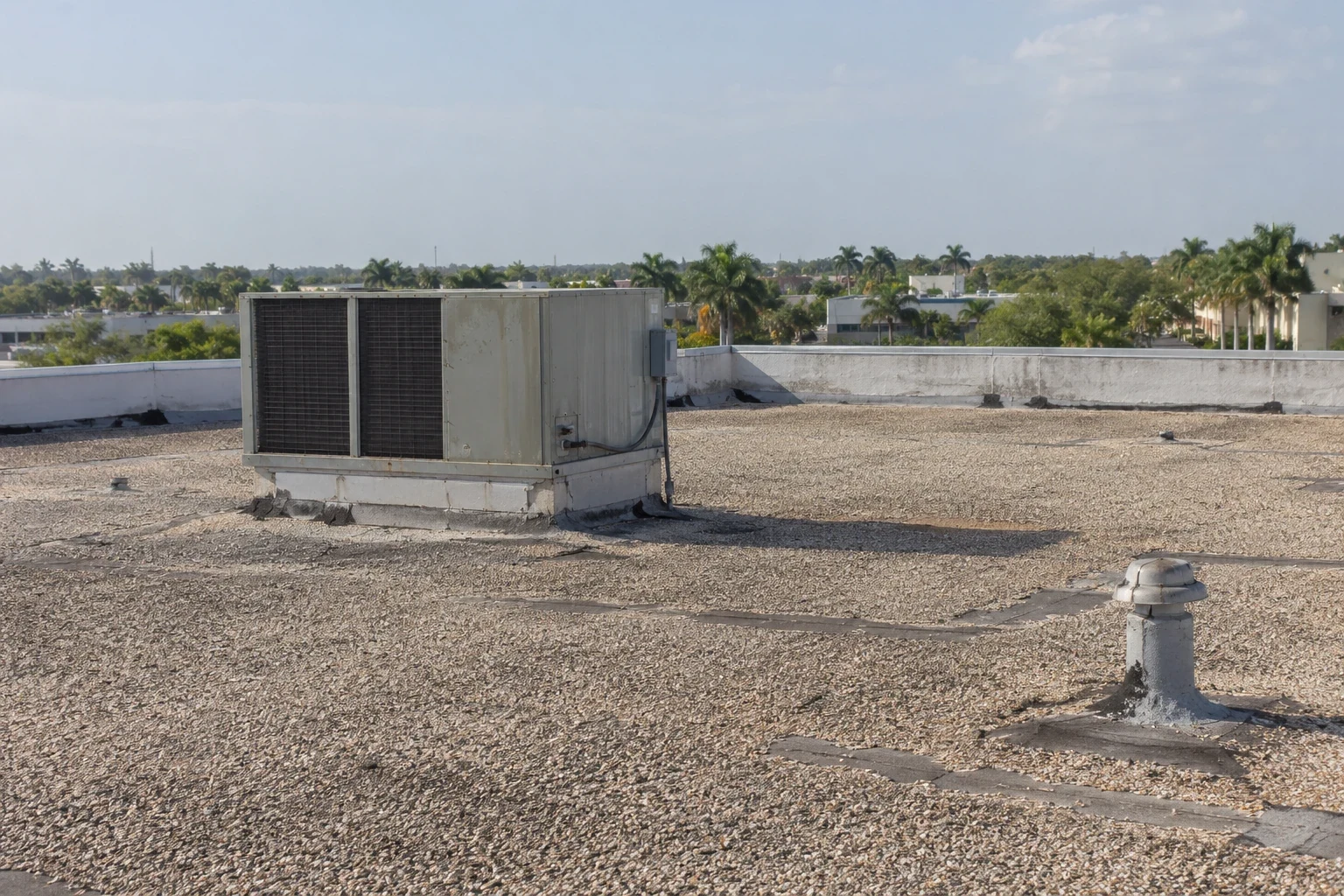
Built-Up Roofing in Pearland, TX

Built-Up Roofing

Assess Pearland built-up roofs by examining ply condition, aggregate, flashing, drainage, concealed moisture, and repair or replacement options.
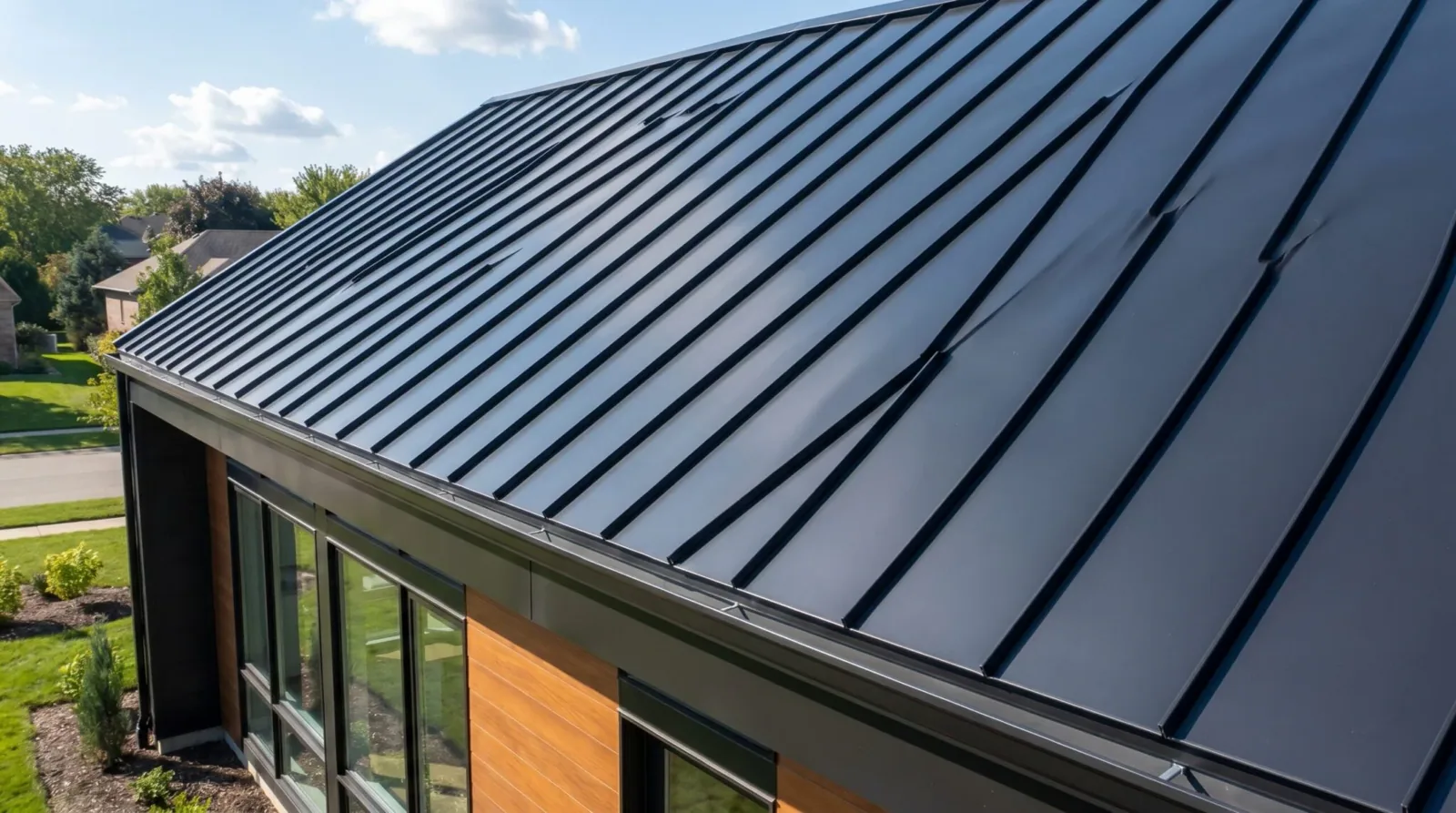
Standing Seam Metal Roofing in Pearland, TX

Standing Seam Metal Roofing

Inspect Pearland standing seam metal roofs for panel movement, clips, seams, fasteners, penetrations, drainage, and storm-related damage.
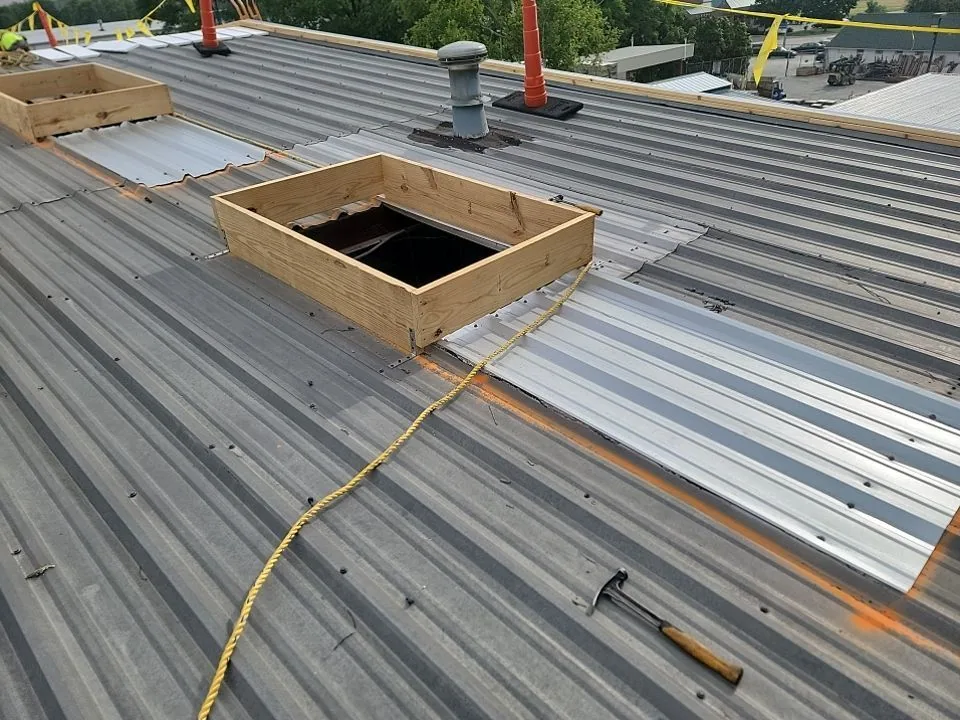
Metal Roof Retrofit in Pearland, TX

Metal Roof Retrofit

Evaluate Pearland exposed-fastener metal roofs for loose fasteners, panel laps, corrosion, drainage, and whether a retrofit is supportable.
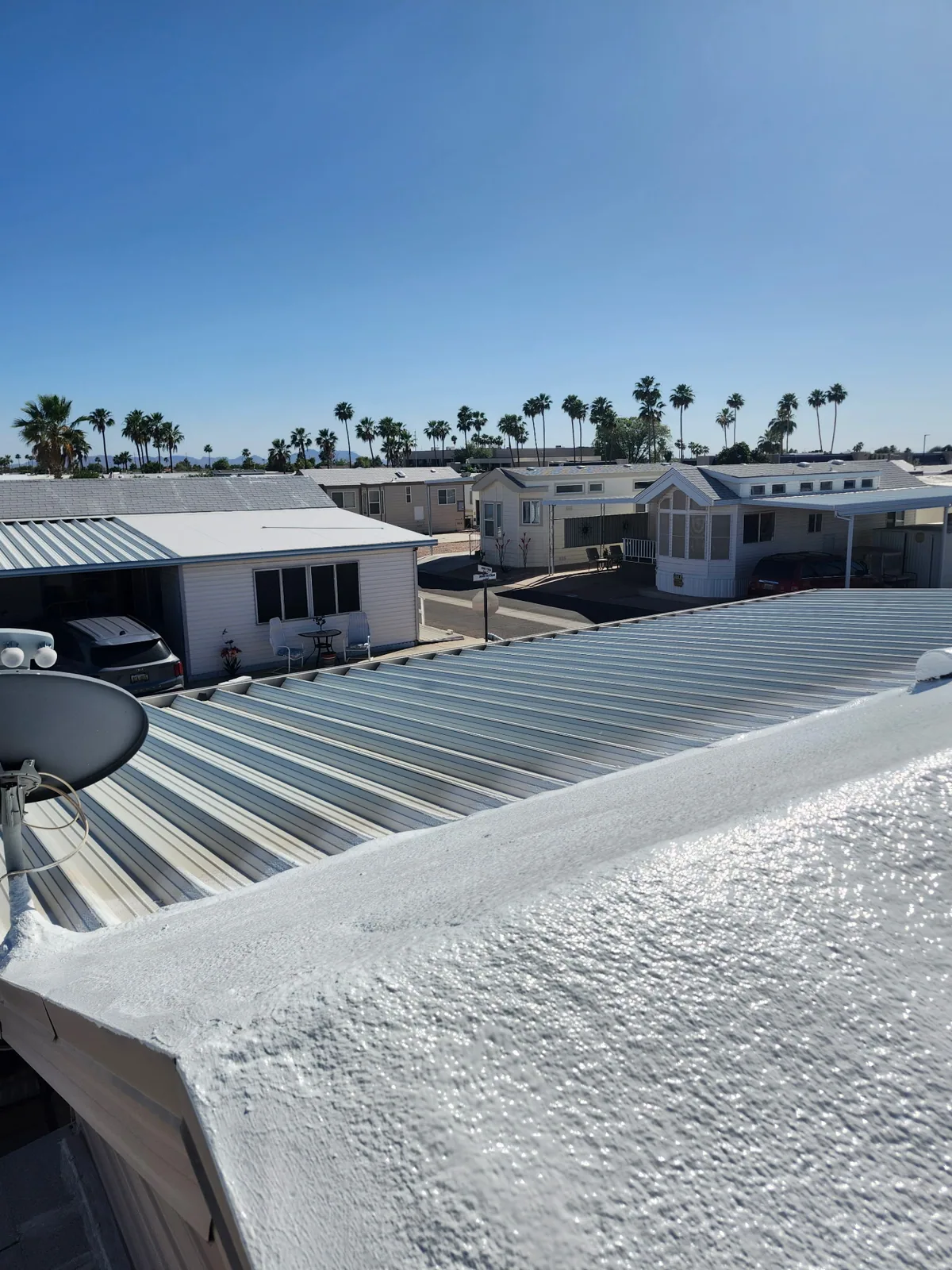
Spray Polyurethane Foam Roofing in Pearland, TX

Spray Polyurethane Foam Roofing

Evaluate Pearland SPF roofs for foam adhesion, surface condition, coating protection, drainage, penetrations, and repair or recoat requirements.
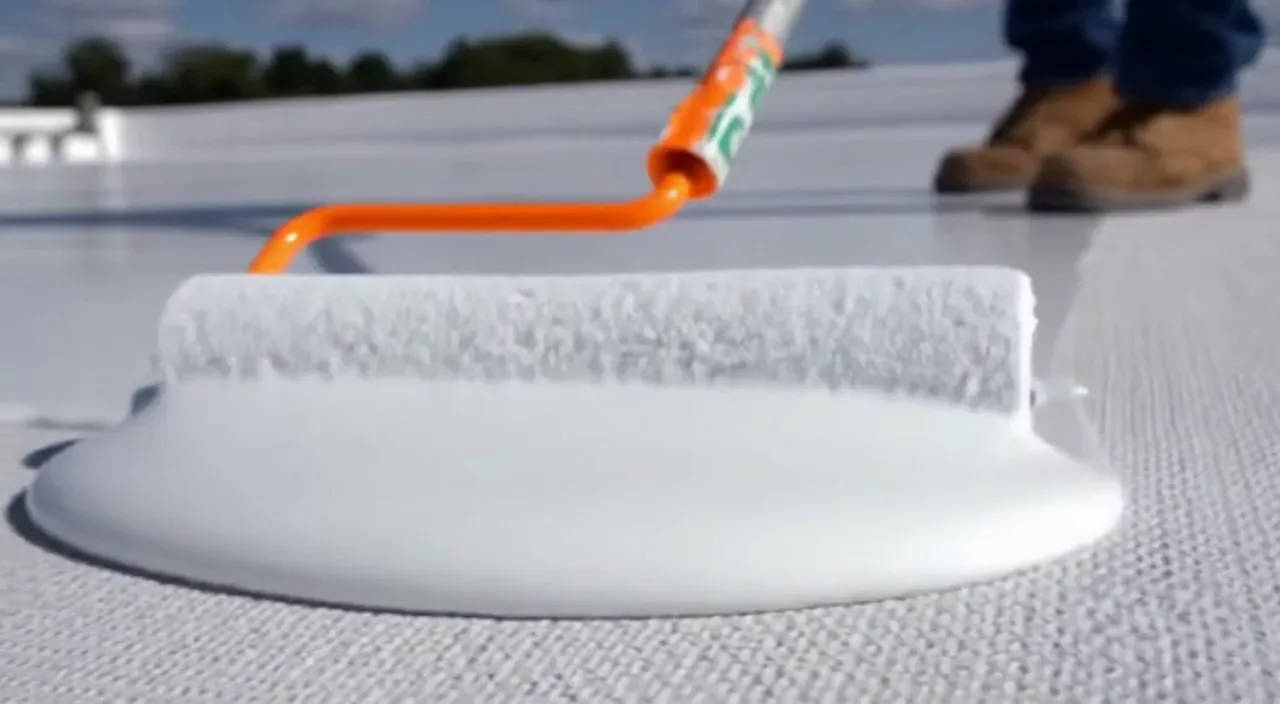
Silicone Roof Coatings in Pearland, TX

Silicone Roof Coatings

Assess silicone roof coating in Pearland for adhesion, film condition, ponding, substrate compatibility, flashing, and maintenance needs.
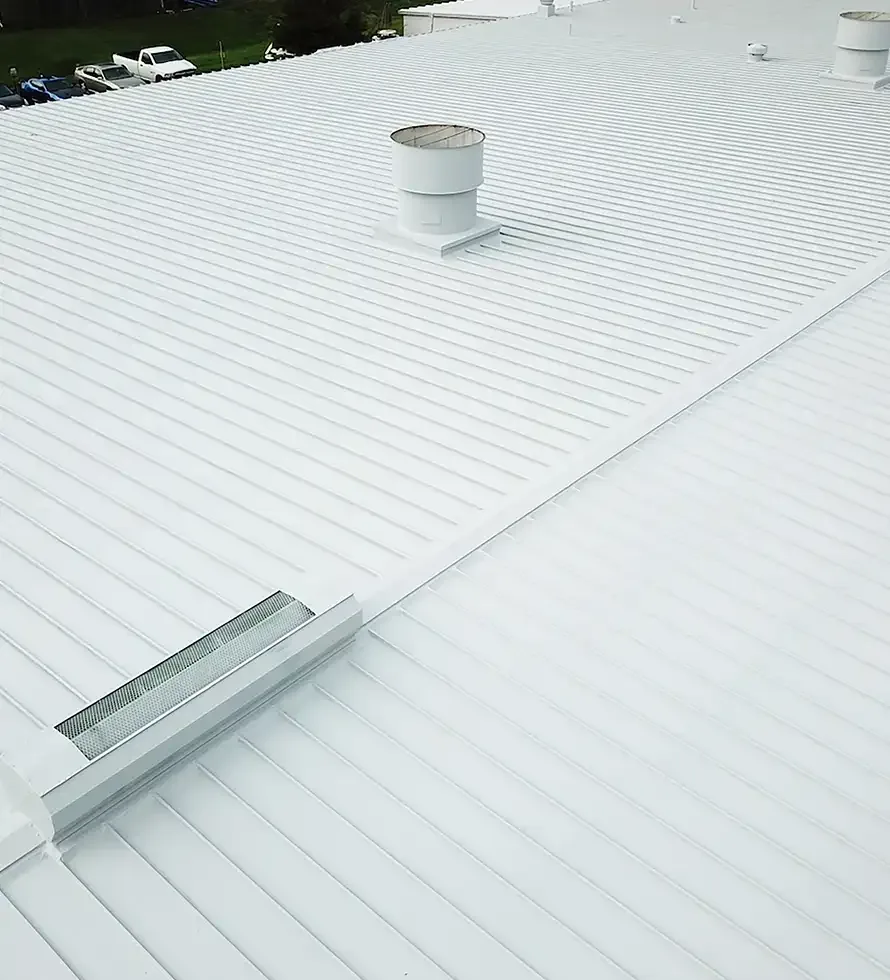
Acrylic Roof Coatings in Pearland, TX

Acrylic Roof Coatings

Review acrylic roof coating in Pearland for adhesion, weather windows, drainage, surface preparation, reinforcement, and future maintenance.

Which assemblies are worth comparing?

Single-ply options include TPO, PVC, EPDM, and KEE. Their attachment, seam method, substrate, and detailing differ. Built-up and modified bitumen systems use layered construction; modified bitumen is one option to review when the roof design and project conditions support it. Metal properties may call for a standing-seam assembly or a metal retrofit over a suitable existing structure.

Spray foam and coatings have their own preparation and maintenance needs. A spray foam system depends on sound substrate and continuous protective coating. Existing membranes may be candidates for silicone coating restoration after adhesion, moisture, and detail checks. No product name by itself establishes suitability.

What should guide the system decision?

Start with the current roof and its use. Check drainage, insulation, penetrations, perimeter attachment, deck, and repair history. Then consider occupancy, equipment access, energy goals, phasing, and maintenance capacity. The comparison should state assumptions about tear-off, recover eligibility, substrate preparation, warranty requirements, and testing. Hidden moisture or a deteriorated deck can change the plan once verified.

Pearland’s SH 288 corridor includes hospitals, clinics, and other commercial uses; Lower Kirby includes research, office, technology, and light manufacturing. We document the assembly and operating limits before setting the scope. Material lead time, access, protection below, and drain or edge height can affect the sequence. Each property needs building-specific access and protection planning.

Compare systems against the roof you have

Share the roof plan, system history, leak record, and access needs. We will inspect the assembly and describe repair or renewal options with their requirements.

What changes between repair and renewal?

A repair follows a defined defect into material that can hold a compatible detail. Renewal also accounts for insulation, deck, edge height, drainage, and transitions between sections. We map moisture and attachment before comparing a local repair with a recover or tear-off; a test opening can change the scope.

Occupancy changes the sequence. Medical offices along SH 288 may need clear equipment routes, while Pearland Town Center’s retail, lodging, and residential uses call for separate access and tenant notices. We divide work into sections that can be protected at shift end.

What belongs in the system record?

Keep the roof plan, system and attachment notes, repair dates, leak reports, moisture results, and section-labeled photos together. Record seam and flashing materials, test locations, and areas that were inaccessible so the next inspection can compare the same details.

Include access rules, equipment shutdown needs, staging limits, and weather hold points. These details help maintenance teams schedule a repair and show project reviewers what still needs inspection.

Talk With Our Team

Call 555-555-5555 or send the property address, roof area and what you are seeing inside. We will set up a roof walk.

Frequently Asked Questions

Can a coating solve every roof leak?

Use a coating only when the existing surface, details, and preparation support it. We inspect moisture, adhesion, drainage, and penetrations, then identify required repairs.

Which roof systems use heat-welded seams?

TPO, PVC, and KEE membranes commonly use heat-welded seams; EPDM and asphalt-based systems use other methods. We identify the assembly before choosing a repair or test.

Can an existing roof be coated instead of replaced?

Substrate, adhesion, moisture, drainage, and details must support a coating. We inspect representative areas and repair necessary defects before setting the scope.

What can add time to a roof-system project?

Concealed moisture, deck repairs, equipment coordination, access limits, material preparation, and weather holds can change the sequence. We identify which section each issue affects.

Compare systems against the roof you have

Share the roof plan, system history, leak record, and access needs. We will inspect the assembly and describe repair or renewal options with their requirements.

Call 555-555-5555 or request a roof assessment

Call us today555-555-5555