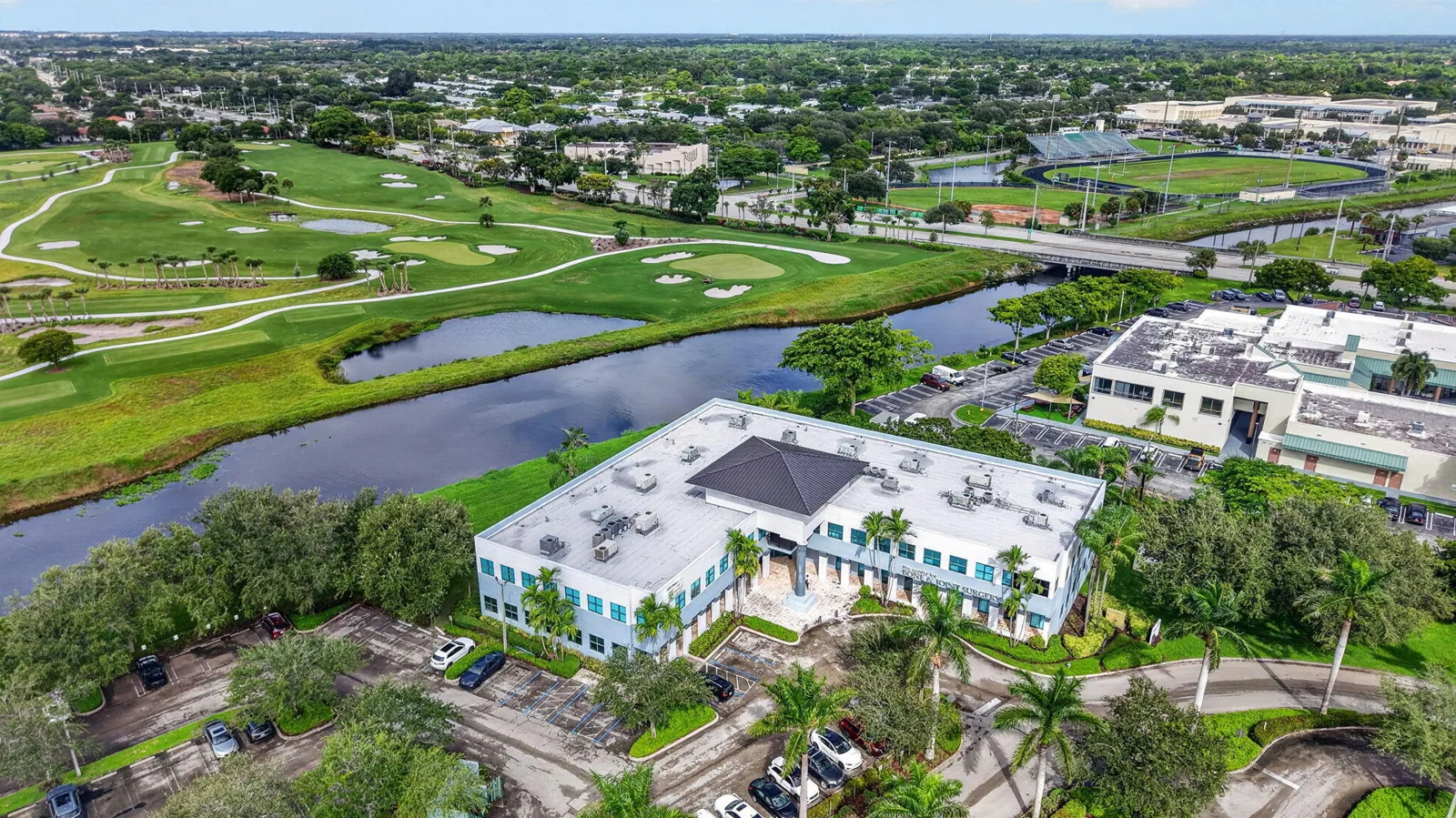
Industry changes the questions that belong in a roof scope. A healthcare operator may need to protect clinical areas and coordinate rooftop equipment; a manufacturer may need controlled access and a work window that respects production; a property manager may be tracking findings across multiple addresses. Pearland’s target industries include healthcare and life sciences, energy, manufacturing, business services, and corporate headquarters. Lower Kirby’s facilities and the SH 288 medical corridor illustrate that range, but each building needs its own inspection and operating plan.
We start with the authorized roof section, confirm the system and water path, and document defects in a way that helps facilities and ownership decide what happens next. The record separates emergency protection, local repair, testing, maintenance, and capital work.

Coordinate roof inspections, repairs, and capital work across Pearland properties with clear scopes, tenant planning, and records for each building.
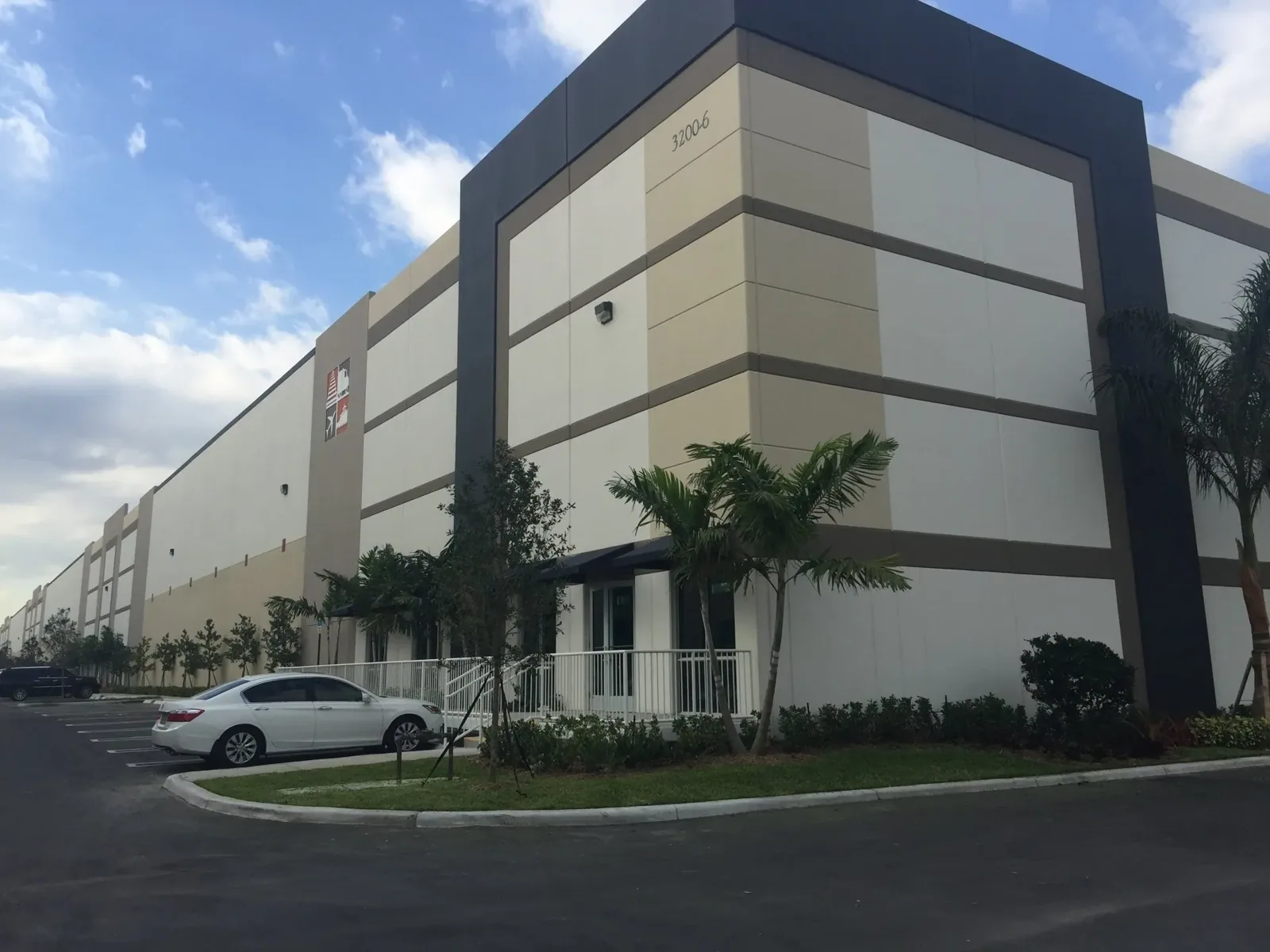
Assess roof condition, near-term repair exposure, and capital options for Pearland investment properties with records tied to each building and lease cycle.
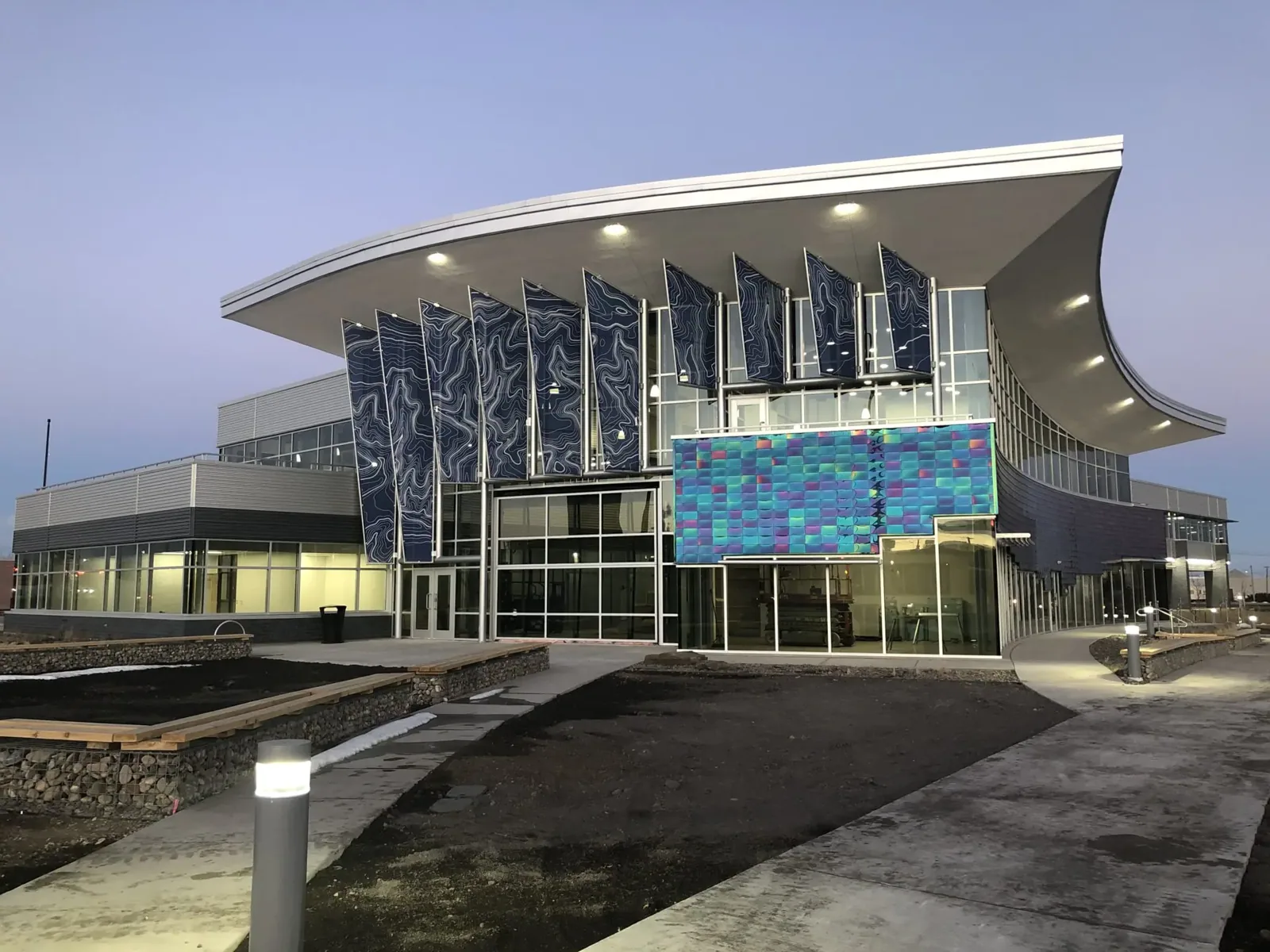
Plan roof inspections, leak response, and phased capital work for Pearland healthcare properties while coordinating access, equipment, and patient services.
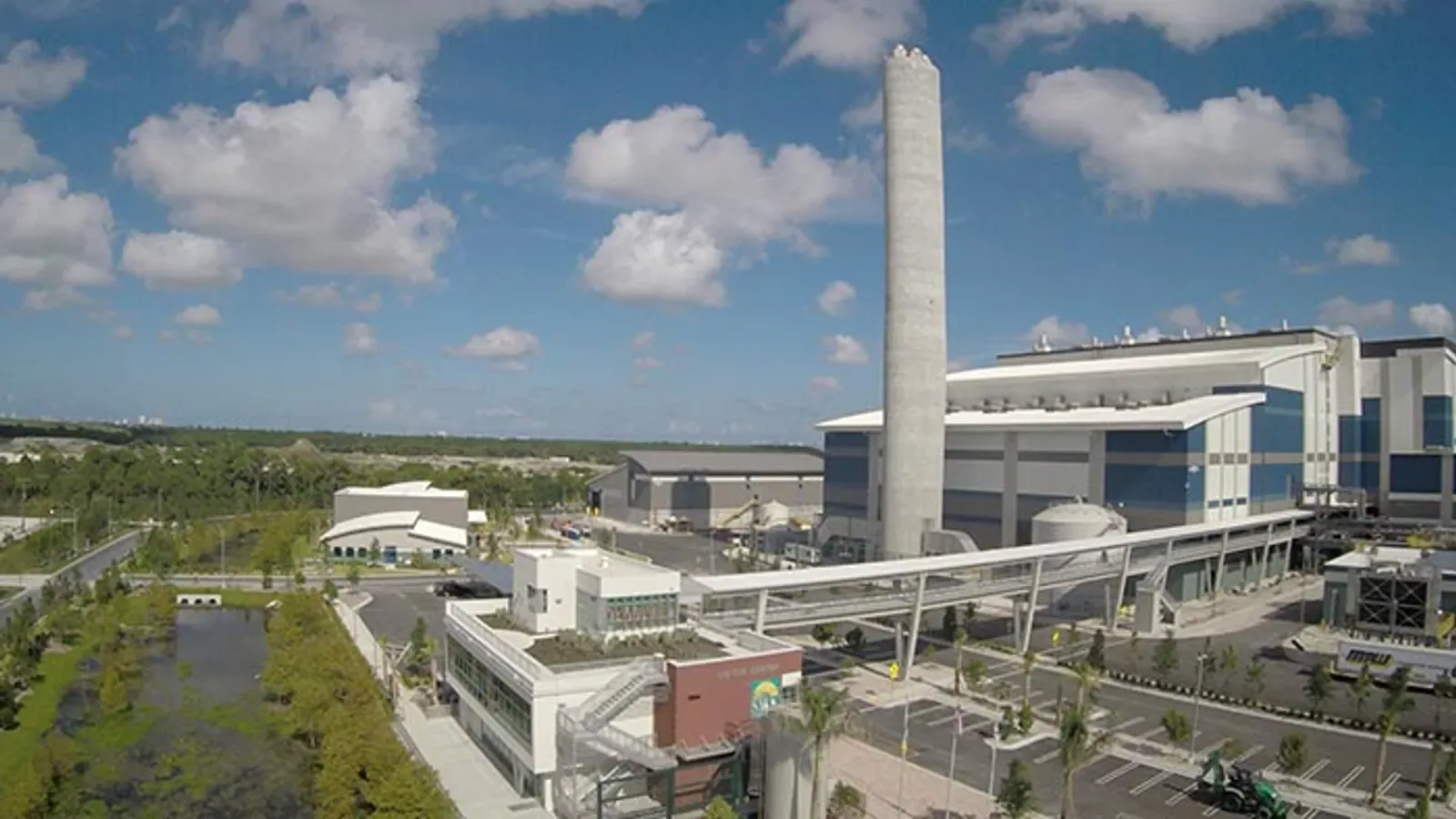
Inspect and maintain Pearland manufacturing roofs around production schedules, rooftop equipment, drainage, and weather protection for active facilities.

Coordinate warehouse and distribution roof work in Pearland around dock activity, inventory protection, drainage, and active transportation schedules.
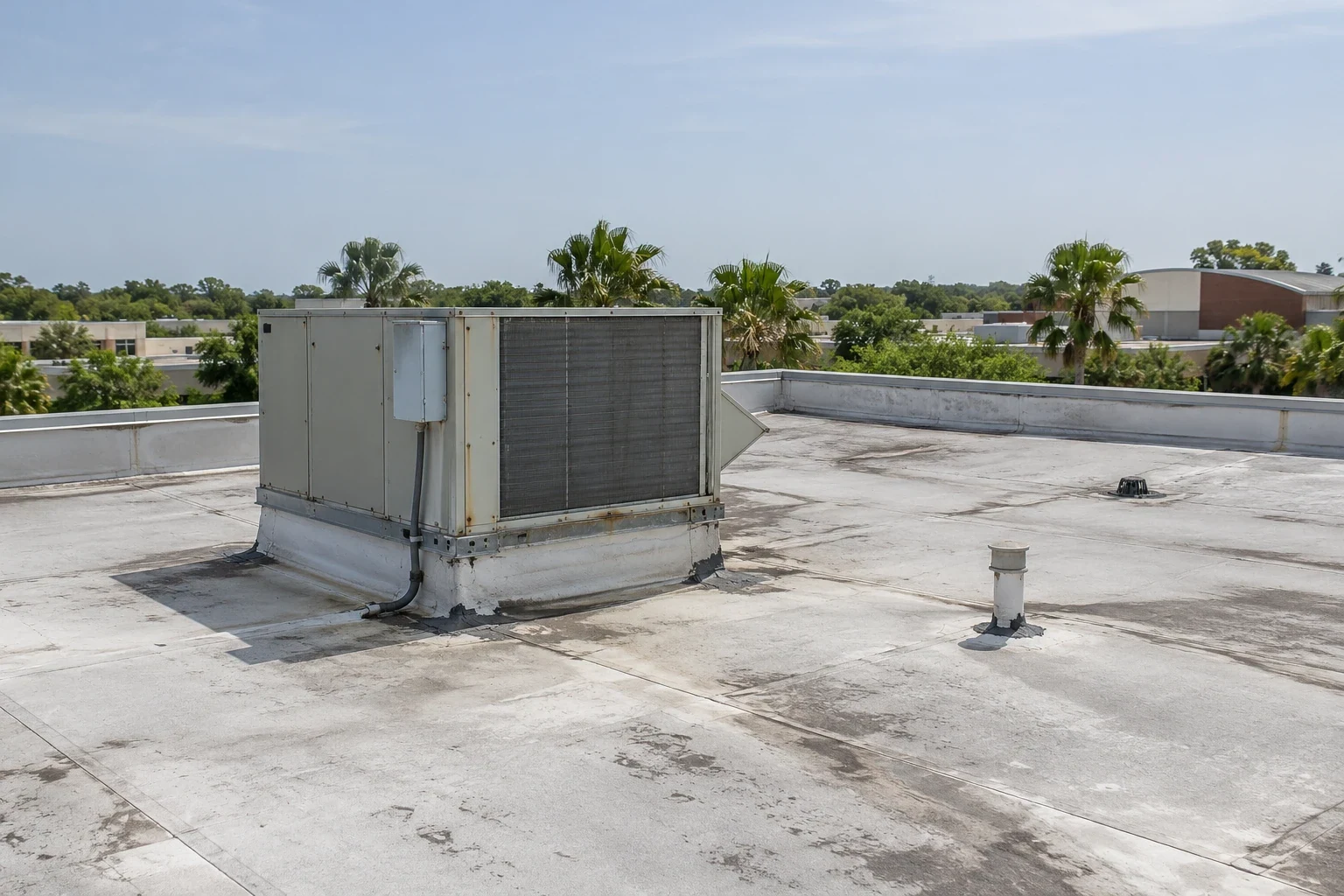
Schedule school roof inspections, repairs, and replacement around occupied buildings, summer access, drainage, and district operations in Pearland.
Document roof conditions, repair priorities, and work access for Pearland public facilities with scopes organized for agency operations and records.
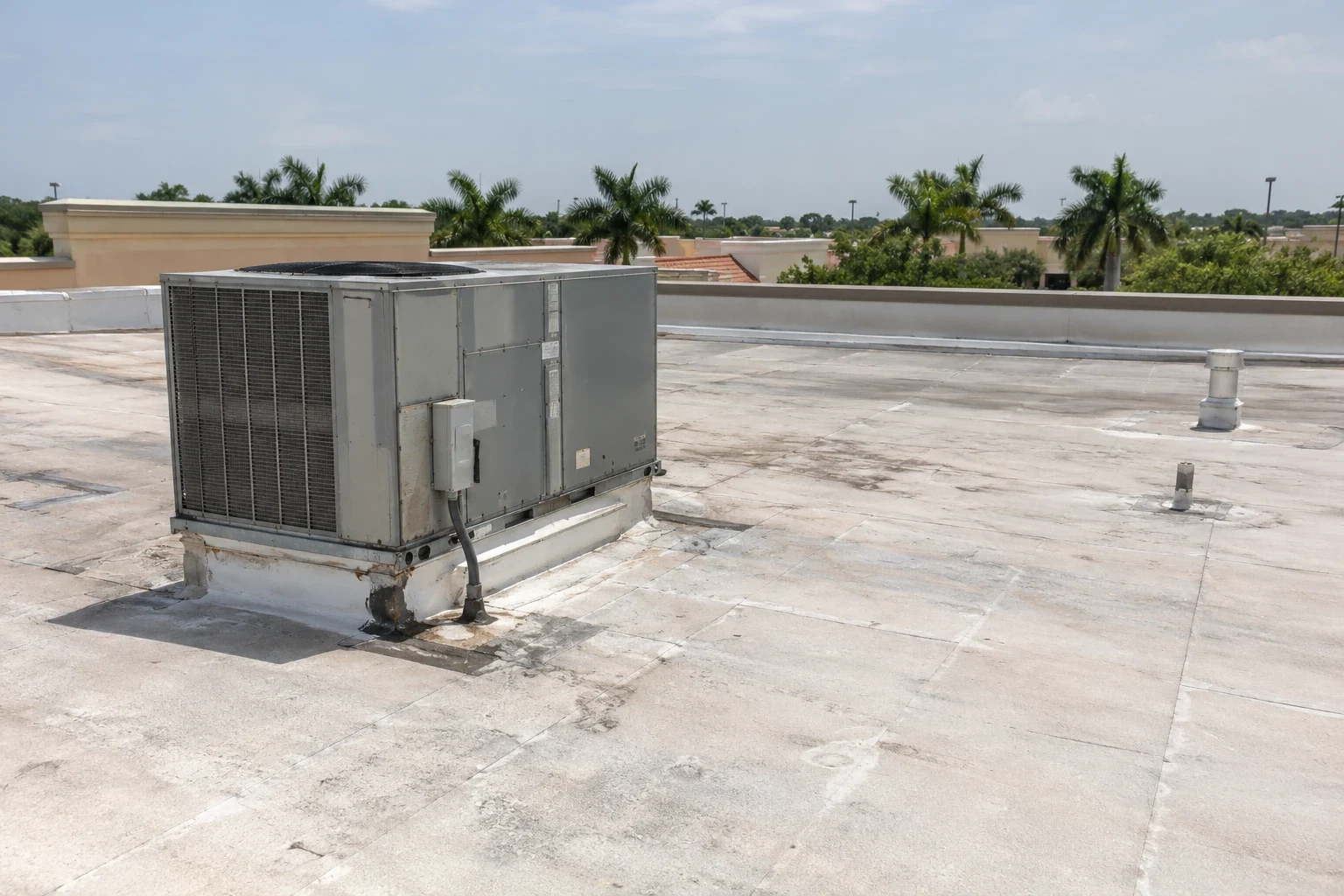
Coordinate roof repairs and replacement for Pearland retail and restaurant locations around customer traffic, deliveries, kitchen equipment, and weather.
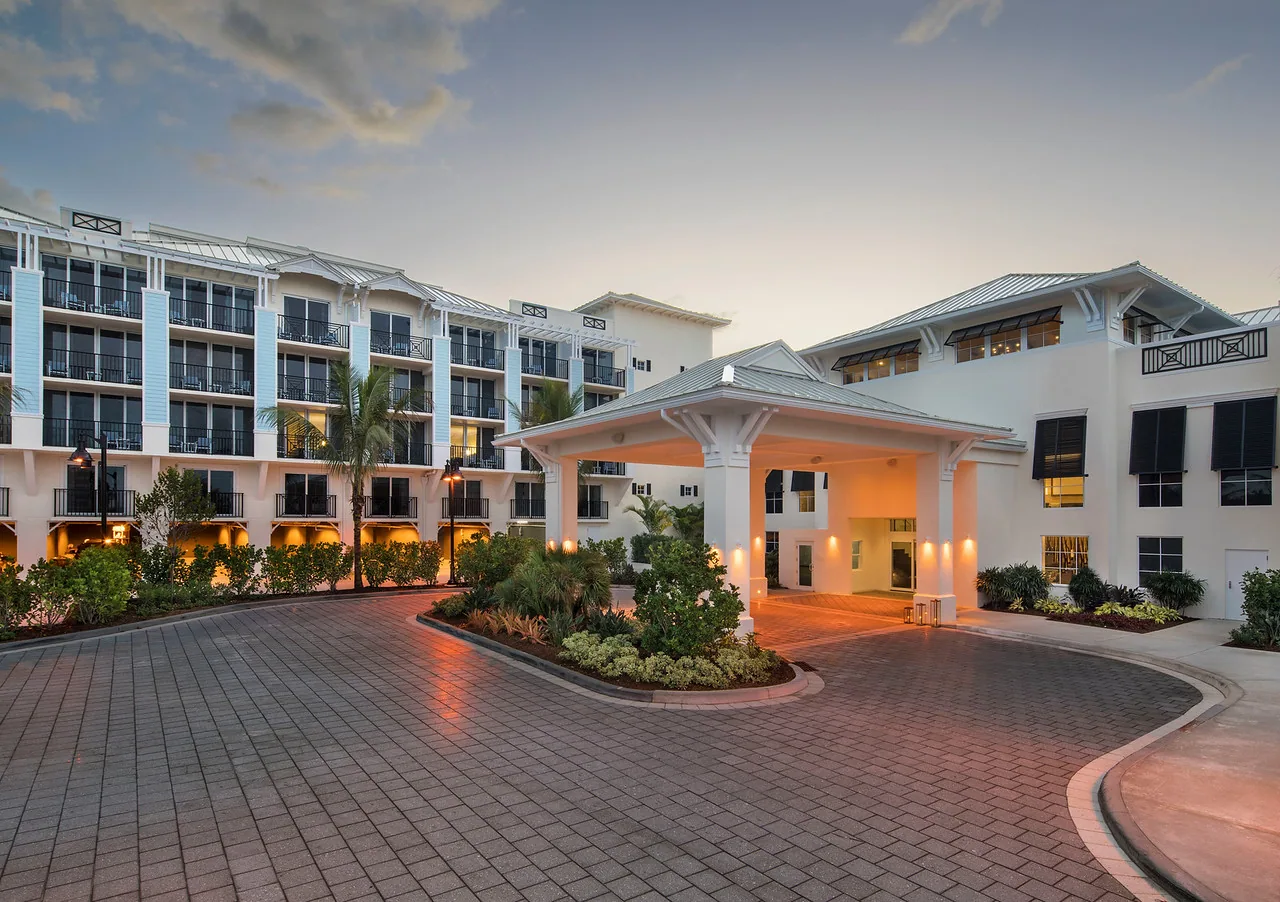
Coordinate hotel roof inspections, leak response, and replacement in Pearland around guest areas, service operations, rooftop equipment, and weather.
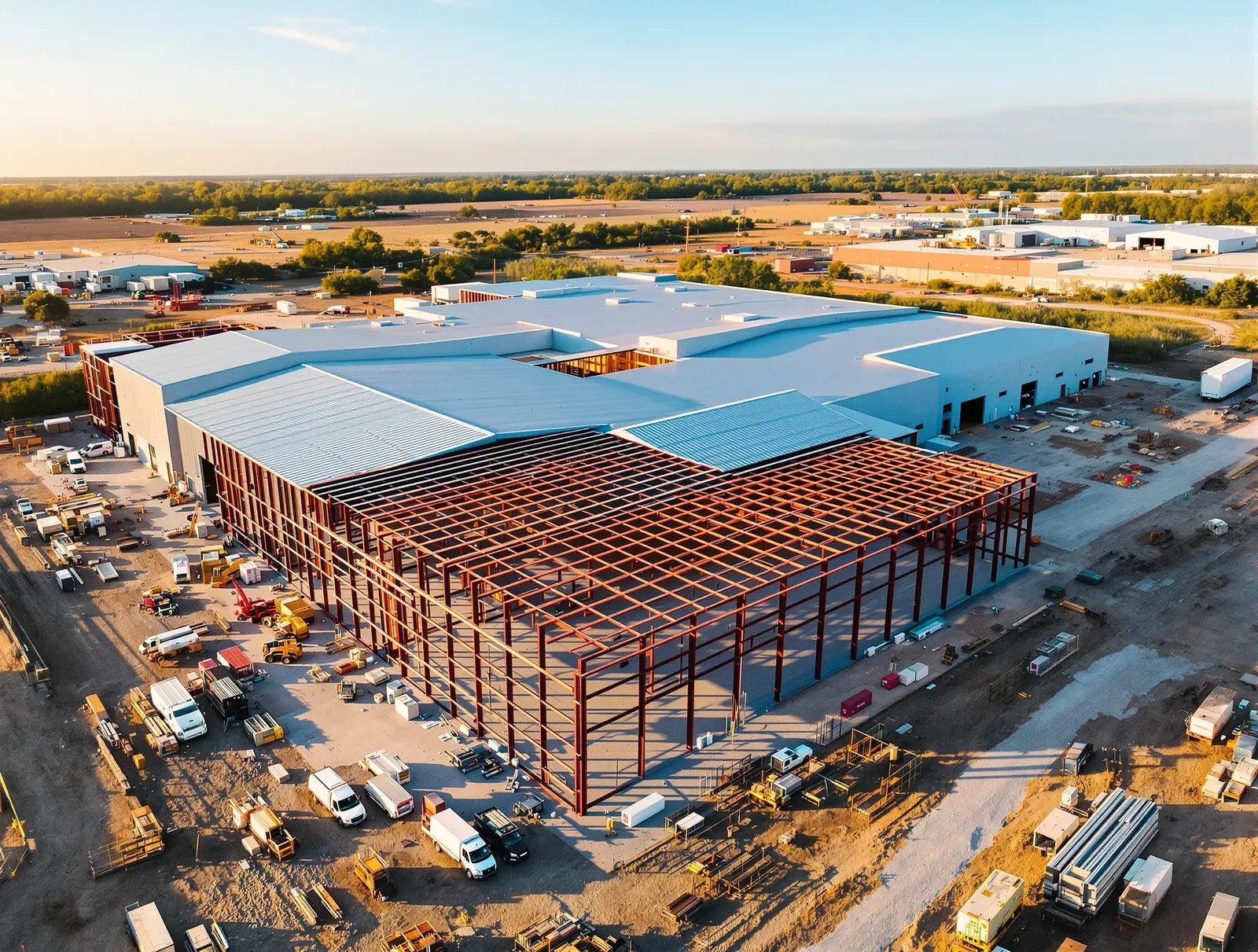
Coordinate commercial roofing scopes, submittals, sequencing, and closeout with general contractors managing active projects in Pearland, Texas.
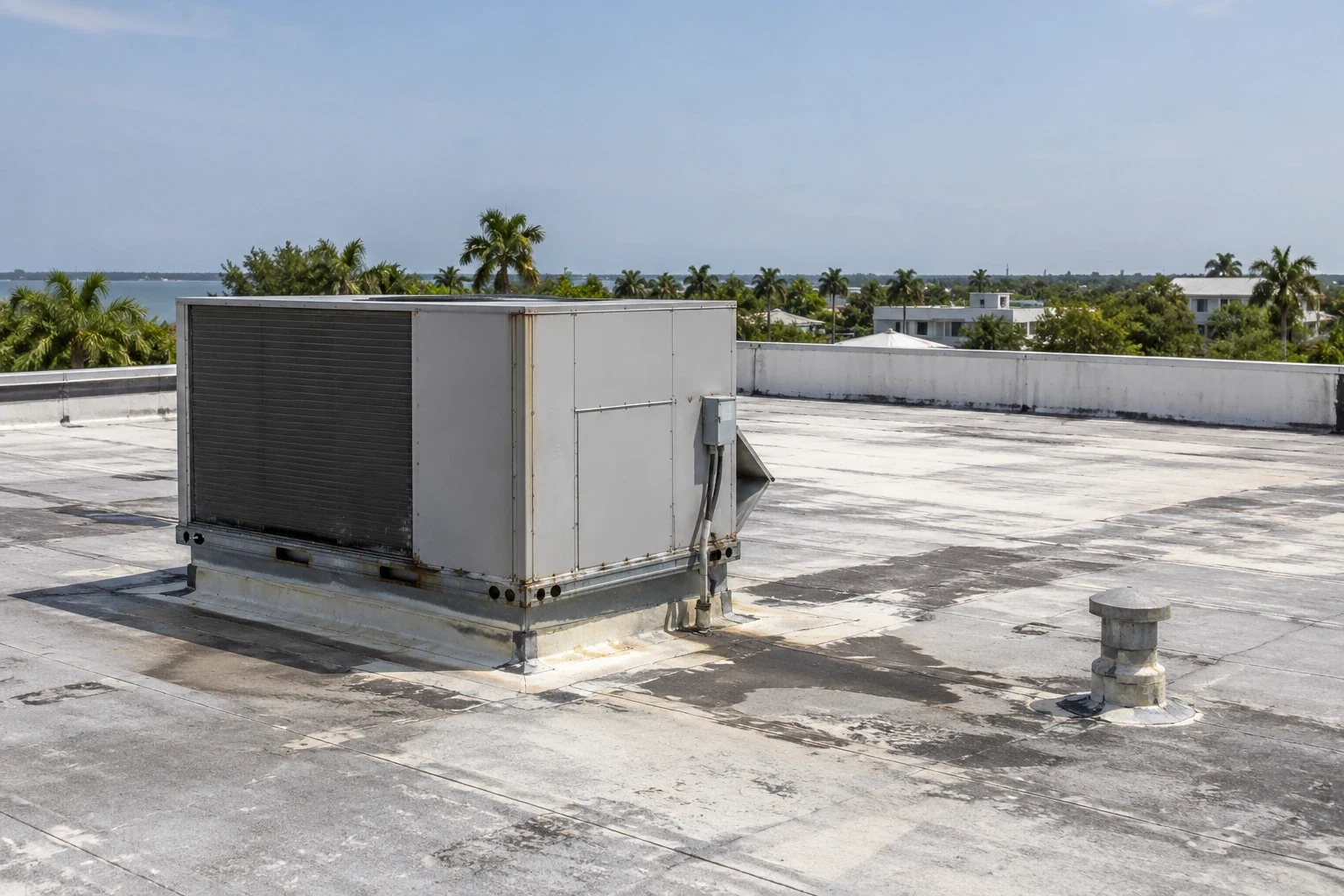
Document storm-related roof conditions in Pearland with dated photos, repair boundaries, temporary protection, and findings organized for restoration review.
For a property-management team, consistent location labels and dated photos make it easier to compare roof conditions across buildings. A real estate portfolio may also need clear assumptions about repair, recover, or replacement timing. We identify what was inspected, which sections were inaccessible, and what follow-up would reduce uncertainty. The decision remains tied to each building rather than to a portfolio average.
When storm reports arrive, a restoration or claim team benefits from a careful record of observed conditions and temporary measures. We document locations, photographs, and work performed without treating a regional weather report as proof of roof damage. Pearland’s SH 35 corridor includes varied employers and commercial uses, so shared ownership still calls for building-specific details.
A manufacturing facility may have controlled areas, equipment clearances, or safety procedures that govern roof access. A healthcare system may need coordination around patient care, building services, and interior protection. Logistics operators and property teams have their own loading routes and staff contacts. Before the walk, we agree on check-in, escorts, staging, restricted zones, and who can approve additional testing.
The facilities team should identify the interior areas affected by active leaks and any equipment service near the reported roof detail. We photograph the seam, curb, drain, or edge alongside its location and note what remains concealed. If a defect could affect operations, immediate dry-in and permanent repair should appear as separate steps with a clear owner for each action.
Send the property list, roof plans, service history, access contacts, and active leak reports. We will organize the walk by building and return condition findings tied to each roof section.
Observed condition, moisture, assembly compatibility, access, and the consequences of a missed leak inform the recommendation. One open flashing or puncture may be handled locally when adjacent material remains serviceable. Repeated leaks or broader deterioration may justify testing or a larger scope. For a public agency or school district, records and work windows may need coordination across departments and occupied sites. A general contractor may need the roof scope aligned with other trades and documented transitions.
Across these uses, the owner should receive photographs, roof-section references, repair limits, access constraints, and any assumptions that still need confirmation. That lets the organization compare immediate service with planned maintenance while keeping facilities, finance, and operations connected to the same conditions.
Each record should connect the roof finding to the building operation it could affect. We label the section, note access or equipment limits, add photographs, and state whether the next step is repair, testing, or monitoring. That format helps a facility director route decisions to maintenance, safety, finance, or a general contractor without losing the roof evidence.
Call 555-555-5555 or send the property address, roof area and what you are seeing inside. We will set up a roof walk.
A shared record format can help with oversight, but each address still needs its own roof findings, access rules, and operating limits. We keep recommendations attached to the building inspected.
Yes, when each building has its own access authorization and inspection record. We keep findings separate while using consistent labels.
Identify escorts, restricted areas, equipment routes, interior protection needs, and the person authorized to approve follow-up work.
We confirm operating windows, staging limits, shutdown controls, and safe access before assigning a work phase to each roof section.
Coordinate a roof program for your facilities
Send the property list, roof plans, service history, access contacts, and active leak reports. We will organize the walk by building and return condition findings tied to each roof section.